

One Nation’s Housing Platform: Strategic Briefing
The Platform in Brief
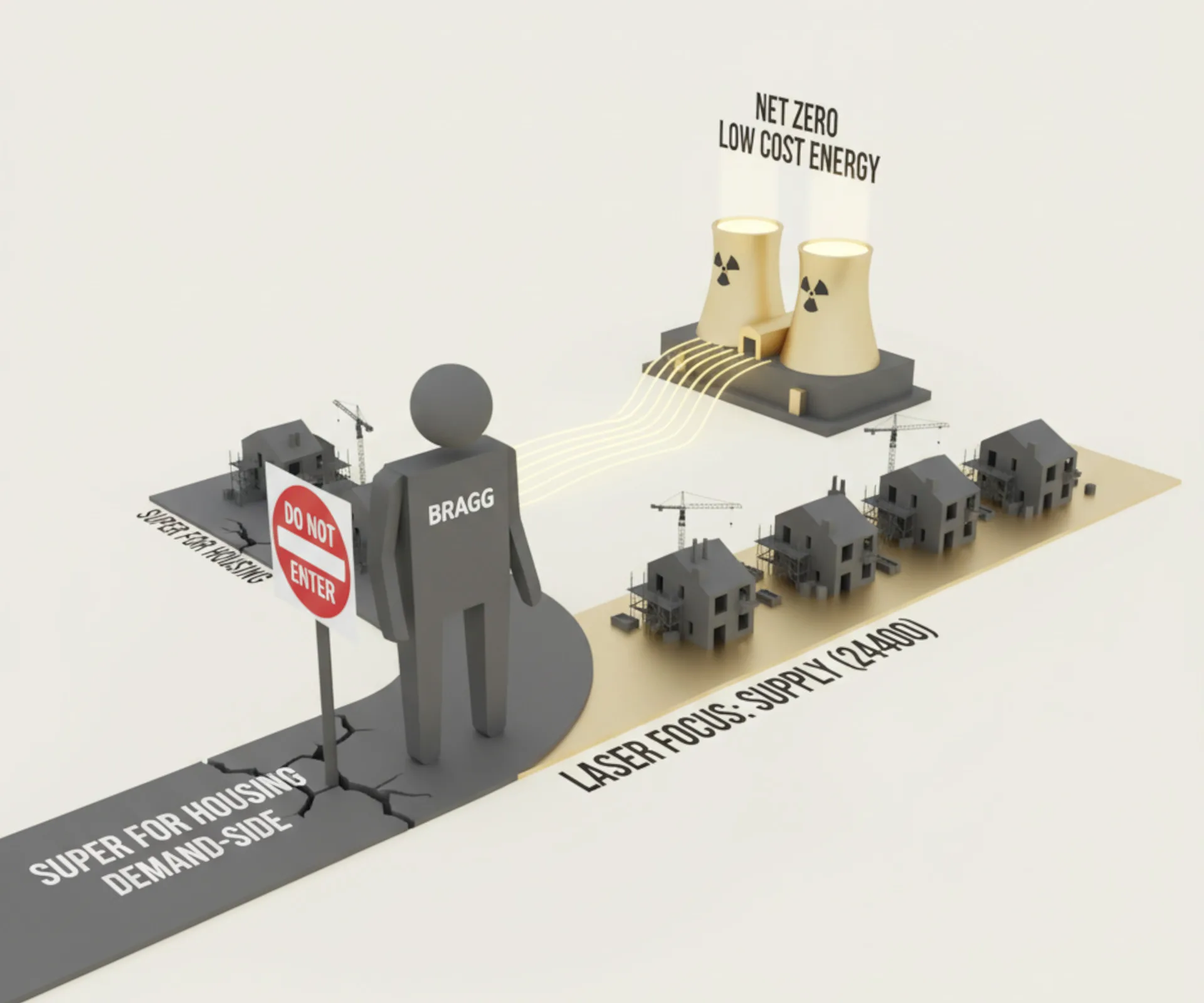
Pauline Hanson’s One Nation has advanced a six-mechanism housing and population platform centred on four stated objectives: Australian-first ownership composition, discipline on aggregate demand, reduction in construction regulatory cost, and increase in dwelling production. The mechanisms are an aggregate migration cap of 130,000 across all visa categories; a prohibition on foreign acquisition of new residential dwellings with forced divestment of existing holdings; a five-year GST moratorium on new residential construction; early superannuation withdrawal for first-home buyers; removal of Universal Disability Design requirements from the National Construction Code; and state-level deregulation of secondary dwelling approval.
APN has assessed each mechanism against the available evidence base. Three of the six produce structural outcomes that work against the platform’s stated objectives. Two require legislative or intergovernmental consent that is not available as drafted. One — secondary dwelling deregulation — is structurally sound but incomplete without a co-funding instrument.
The Three Structural Issues
Migration cap without occupational correction. The current migration intake delivers 32 construction workers per 1,000 net arrivals (BuildSkills Australia; Grattan Institute). The hurdle rate required to maintain per-capita housing equilibrium is 40–50 per 1,000. A flat aggregate cap applied to the existing occupational mix reduces construction labour intake concurrent with the reduction in demand, leaving the per-capita supply gap structurally unchanged. The 457 visa programme delivered 88 construction workers per 1,000 skilled arrivals; the degradation to 32 reflects accumulated visa tightening, not labour scarcity in source markets. The occupational composition of the intake — not its volume — is the operative variable.
GST moratorium and infrastructure dependency. The Parliamentary Budget Office costed the moratorium at $8.7 billion in reduced fiscal balance across the forward estimates period. The Intergovernmental Agreement on Federal Financial Relations requires unanimous state and territory consent for changes to the GST base or rate — consent that is not available at this fiscal cost. GST revenue funds state delivery of road, water, and sewage connections that convert zoned land into buildable lots. The structural consequence, if the moratorium operates as drafted, is a reduction in state infrastructure delivery capacity concurrent with the reduction in dwelling-stage GST liability.
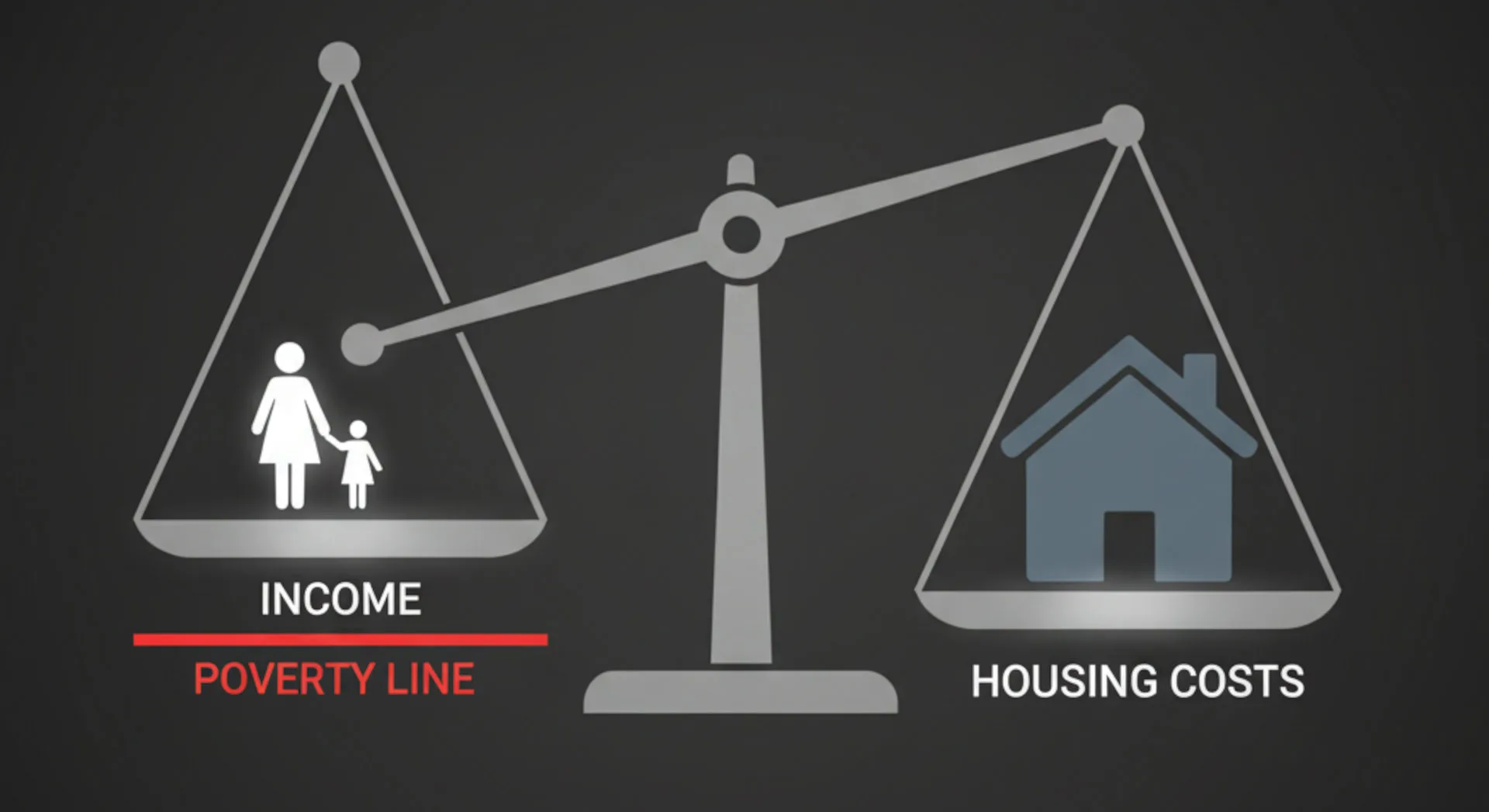
Superannuation withdrawal as demand-side intervention. McKell Institute modelling of a $60,000 superannuation withdrawal indicates median dwelling-price increases of 10.4% in Melbourne, 14.8% in Brisbane, 20.0% in Adelaide, and 28.3% in the Australian Capital Territory. In a supply-constrained market, injecting purchasing power against an inelastic dwelling stock transmits directly into prices — an outcome directionally opposite to the platform’s stated affordability objective.
A Reformed Framework
APN has identified substitute mechanisms that retain each of the platform’s four structural objectives while operating within constitutional availability, legal support, and evidential alignment with the stated supply outcome.
Immigration. Retain the 130,000 aggregate cap; add a quarantined Construction Capacity Visa for trades at AQF Level 3–5, modelled on New Zealand’s Construction and Infrastructure Sector Agreement, sitting outside the aggregate count. This corrects the occupational composition without abandoning the demand-discipline objective.
Foreign ownership. Replace the new-build ban and forced divestment with an annual 3% holding tax on foreign-owned residential investment properties, modelled on British Columbia’s Speculation and Vacancy Tax. The BC instrument generated $79.6 million in 2024, shifted over 20,000 vacant units into the long-term rental market, and has accumulated $550 million in cumulative revenue ring-fenced for affordable housing. An exemption for properties in continuous 12-month residential tenancies preserves the pre-sale financing function that activates apartment construction finance.
Construction costs. Replace the GST moratorium with a direct federal first-home buyer construction grant of $30,000–$50,000 for new builds only. The grant operates within Commonwealth grants power and requires no state consent.
Superannuation. Retain the First Home Super Saver Scheme as a voluntary tax-arbitrage savings vehicle. Channel affordability support through the supply-side construction grant rather than demand-side liquidity injection.
NCC standards. Replace mandate removal with a voluntary Silver Standard stamp duty concession for new builds meeting livable design specifications. The cost decision is retained at the developer–purchaser interface; the estimated 22× retrofit cost transferred to the NDIS and aged care system over a 30-year horizon under the current proposal is avoided.
Secondary dwellings. Retain state-level deregulation; add a federal infrastructure co-contribution of $20,000–$25,000 per approved secondary dwelling paid to the relevant local government area. IPART benchmark data establishes this as the cost-neutrality threshold for trunk infrastructure servicing a secondary dwelling. Without it, councils absorb an unfunded liability that eventually stalls the deregulation in practice.
Assessment
The reformed framework does not require the platform to abandon its stated objectives. Each substitute mechanism delivers the same directional outcome as the original — Australian-first ownership, demand discipline, cost reduction, supply increase — against a higher threshold of legal availability and evidential support.
This briefing is produced by Australian Property Network in accordance with the APN Clinical Authority editorial standard. APN has no commercial affiliations, advertiser relationships, industry body funding, or political affiliations. This piece does not constitute investment advice.