
The Biofuel Land Boom: Deconstructing the $1.1B Investment and its Impact on Regional Property
APN ANALYSIS: A-250918-AUS38
Executive Summary
A $1.1 billion federal government commitment to establish a domestic biofuel industry is set to reshape parts of Australia’s regional property landscape. As reported in the Australian Financial Review, the initiative is designed to reduce the nation’s reliance on fuel imports and stimulate local job creation by funding projects that convert agricultural products like canola and sugar into lower-carbon fuels. While the policy is aimed at the energy and transport sectors, its most significant second-order effects will be felt in the property market.
For property professionals, this is a clear signal of a coming shift in rural and industrial land values. The government’s investment will create new, sustained demand for specific agricultural feedstocks, placing upward pressure on land capable of their production. It will also trigger the development of a new asset class of specialised industrial facilities, such as production plants and storage hubs. The key strategic imperative for professionals is to identify the potential geographic hotspots and commodity types that will benefit from this policy, positioning for an infrastructure-led transformation of regional property markets.
Background & Strategic Context
The government’s biofuel initiative is a classic example of state intervention designed to reshape a key sector of the economy, with inevitable and significant consequences for property markets. This event highlights several of our core intelligence frameworks.
- State-Led Economic Diversification (Project Overlord): This investment is a Project Overlord-level event where the state is using public funds to create a new industry to achieve strategic goals like fuel security and regional development. This direct market intervention will create property market winners and losers based on proximity to new infrastructure and key feedstock sources.
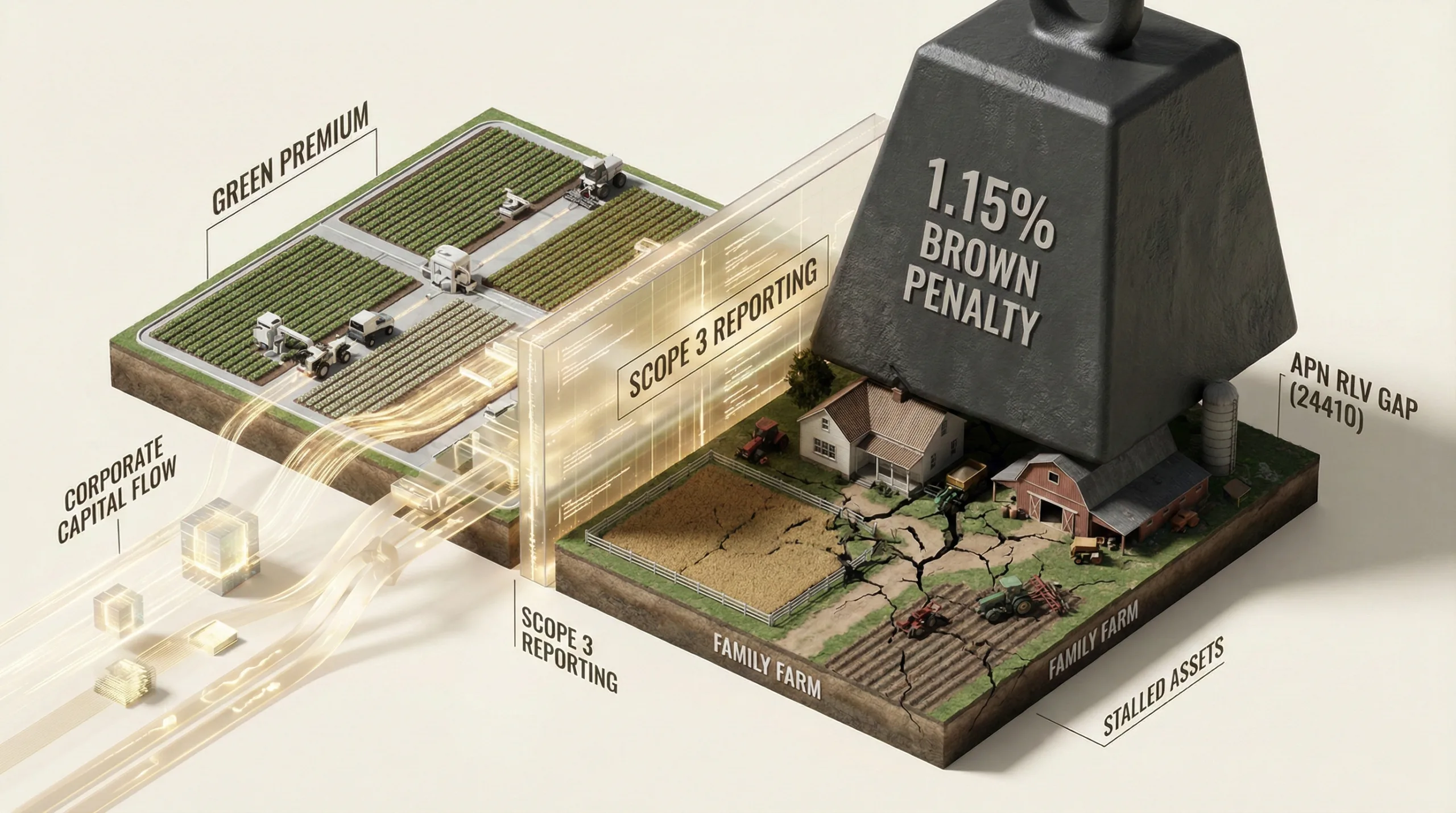
- The Commodity Value Chain (The Wealth Funnel): The initiative creates a new, high-value end market for agricultural products, directly impacting the Wealth Funnel. By turning commodities like canola, sugar, and beef tallow into fuel feedstock, the government is increasing the base value of the land that produces them. This will also create new “toll gates” in the funnel, such as processing plants and storage facilities, which represent a new pipeline of industrial property opportunities.
- Water & Land Use (Water Security): The push for biofuel crops will have direct implications for our Water Security framework. Increased cultivation of water-intensive crops like sugar cane for fuel could place additional stress on water resources in key agricultural regions, a critical risk factor that must be included in any long-term asset valuation.
Deconstruction of the afr.com Event
The afr.com report details a major new government industrial policy with a clear timeline and scope.
- The Investment: The federal government is committing $1.1 billion to establish a local biofuel industry.
- The Rationale: Agricultural Minister Julie Collins stated the goal is to reduce import dependence and create local jobs.
- The Feedstocks: Biofuel is to be produced from agricultural products, with the report specifically mentioning canola, beef tallow, and sugar. This provides a targeted list of commodities that will experience a government-backed increase in demand.
- The Timeline: Minister Collins indicated that grants for biofuel projects are expected to start flowing from the next financial year. This signals that the market impact is imminent and not a distant prospect.
Critical Analysis & Balanced View
This government-backed initiative provides a powerful signal for investment in specific regional areas and agricultural sectors. For landowners and developers, it creates a new, long-term demand driver for their assets that could revitalise regional economies and, in turn, stimulate local residential and commercial property markets.
However, the success of the program is not guaranteed. As the report notes, the impacts are conditional. The viability of the new industry is highly dependent on volatile global energy prices, the technological efficiency of the funded projects, and the effectiveness of the government’s grant allocation process. A poorly executed program could result in stranded assets and land speculation bubbles in regional areas. Furthermore, the initiative is exposed to the significant “food vs. fuel” debate. A major diversion of agricultural land and commodities to fuel production could lead to higher food prices, generating a political backlash and future regulatory risk that could undermine the program’s long-term stability.
Strategic Implications for Property Professionals
- For Rural Valuers & Agents: A re-rating of agricultural land suitable for growing canola or sugar is now necessary. Proximity to transport infrastructure and potential processing plant locations will become a key value driver. Tracking the government’s grant announcements will be critical to identifying the emerging geographic hotspots.
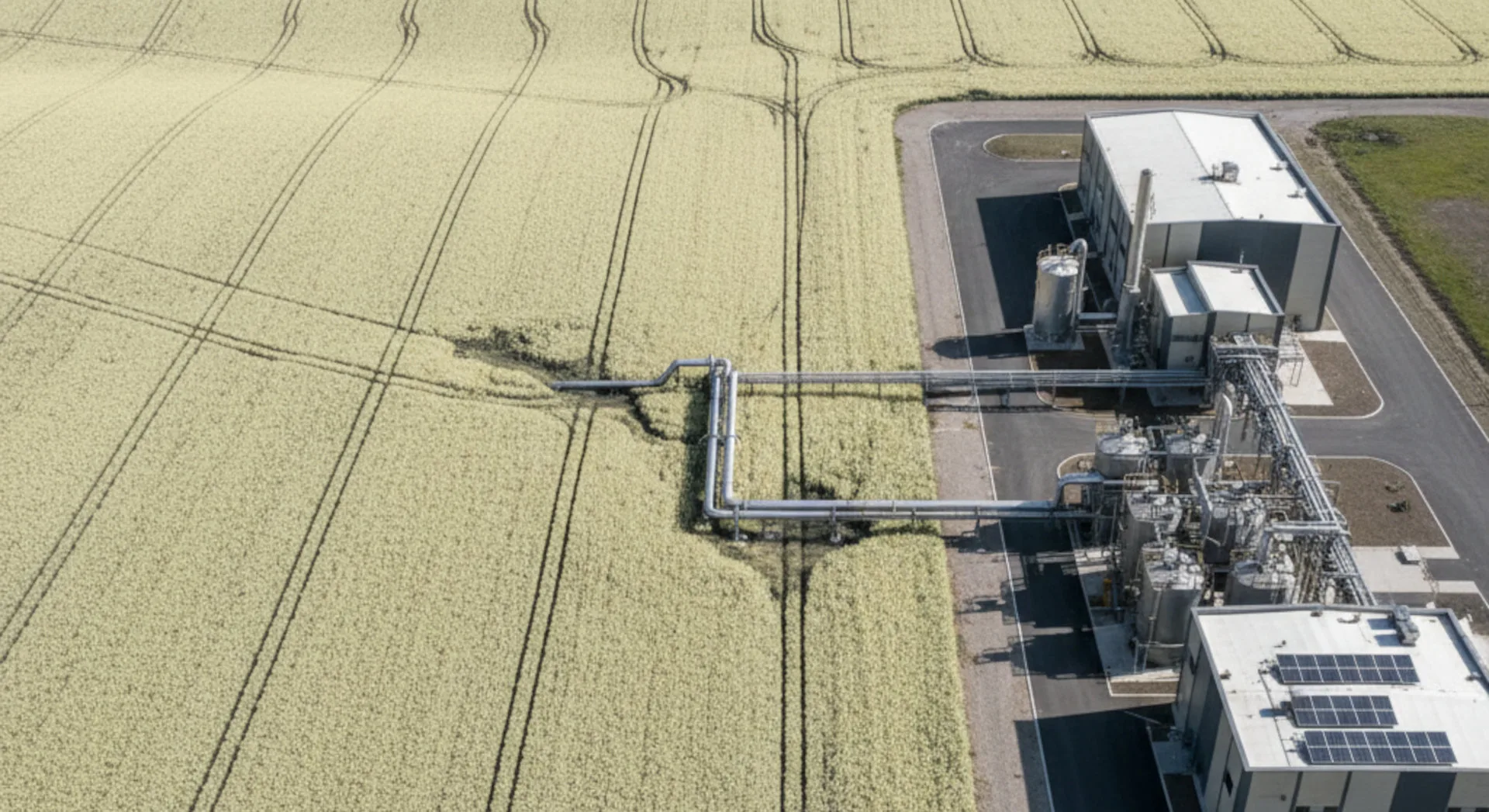
- For Industrial Developers & Investors: A new asset sub-class will emerge: biofuel production plants, storage facilities, and associated transport logistics hubs. These will require specialised development and will likely represent prime long-term lease assets, potentially with government-backed partners or tenants.
- For Regional Planners: Local governments in affected areas will face an urgent need to plan and zone for these new industrial facilities, managing potential land-use conflicts between industry, traditional agriculture, and residential communities.
- For Residential Developers: The creation of new, long-term jobs in regional centres will generate sustained demand for housing, presenting opportunities for residential projects that cater to a new workforce.
This article is based on a report from www.afr.com titled “Jim Chalmers says ABC reporter ‘just doing his job’ after Donald Trump rebuke”. You can find the original article here: https://www.afr.com/politics/federal/australian-world-news-live-updates-trump-arrives-in-britain-for-second-state-visit-charlie-kirk-s-suspected-shooter-faces-court-20250917-p5mvmp
How will the geographical distribution of biofuel production facilities and feedstock sources impact land values and development opportunities in rural and peri-urban areas?
Disclaimer
The analysis and information contained in this deconstruction are for general informational and strategic purposes only and do not constitute financial, investment, legal, or any other form of professional advice. The Australian Property Network (APN) is a strategic intelligence organisation and is not a licensed financial advisor.
This analysis is based on data and information from third-party sources believed to be reliable; however, APN provides no warranty as to its accuracy, currency, or completeness. Images used in this analysis are for illustrative and conceptual purposes only and may not represent real persons, properties, or events. Property values and market conditions can go down as well as up.
Before making any property or investment decisions, you must conduct your own thorough research and seek independent professional advice tailored to your specific circumstances.