
SA Housing Crunch: Rising Prices Fuel Homelessness Concerns in the South-East
Housing costs in south-eastern South Australia have almost doubled over the past five years, leading to increased homelessness as people seeking affordable options relocate to the region, as reported by ABC News.
This surge in property values presents both opportunities and challenges for property professionals operating in regional South Australia. The rapid price escalation, particularly in areas like the Limestone Coast, the Riverland, the Murraylands and the Fleurieu Peninsula, demands a nuanced understanding of local market dynamics.
Regional Price Growth Outpaces Capital Cities
PropTrack figures indicate that the average price for a house or unit sold in the aforementioned regions reached $518,000 in July, a 13 per cent increase year-on-year and a staggering 97 per cent rise since July 2020. This growth surpasses that of any capital city or regional area in other states. Sale prices in regional South Australia have increased by 93 per cent in the same period.
REA Group senior economist Anne Flaherty anticipates further price increases later this year, driven by expected interest rate cuts. This forecast suggests continued demand and potential for further capital appreciation, which could benefit investors and developers. However, property professionals need to carefully assess the sustainability of this growth and advise clients accordingly.
Affordability Crisis Deepens
The rapid increase in house prices is occurring against a backdrop of relatively modest income growth. Australian Taxation Office data reveals that Mount Gambier, the largest city in the region, had a median taxable income of $50,567 in 2022–23, a 15 per cent increase over five years. This disparity between income and house price growth is exacerbating affordability issues and contributing to homelessness.
Ac.care chief executive Shane Maddocks highlights the growing problem of homelessness in Mount Gambier, driven by a lack of affordable housing supply. According to Mr. Maddocks, demand is high, and available properties are unaffordable. Weekly rents in Mount Gambier have increased by 73 per cent over the past five years, reaching an average of $450 for a house, according to the state government agency Consumer and Business Services.
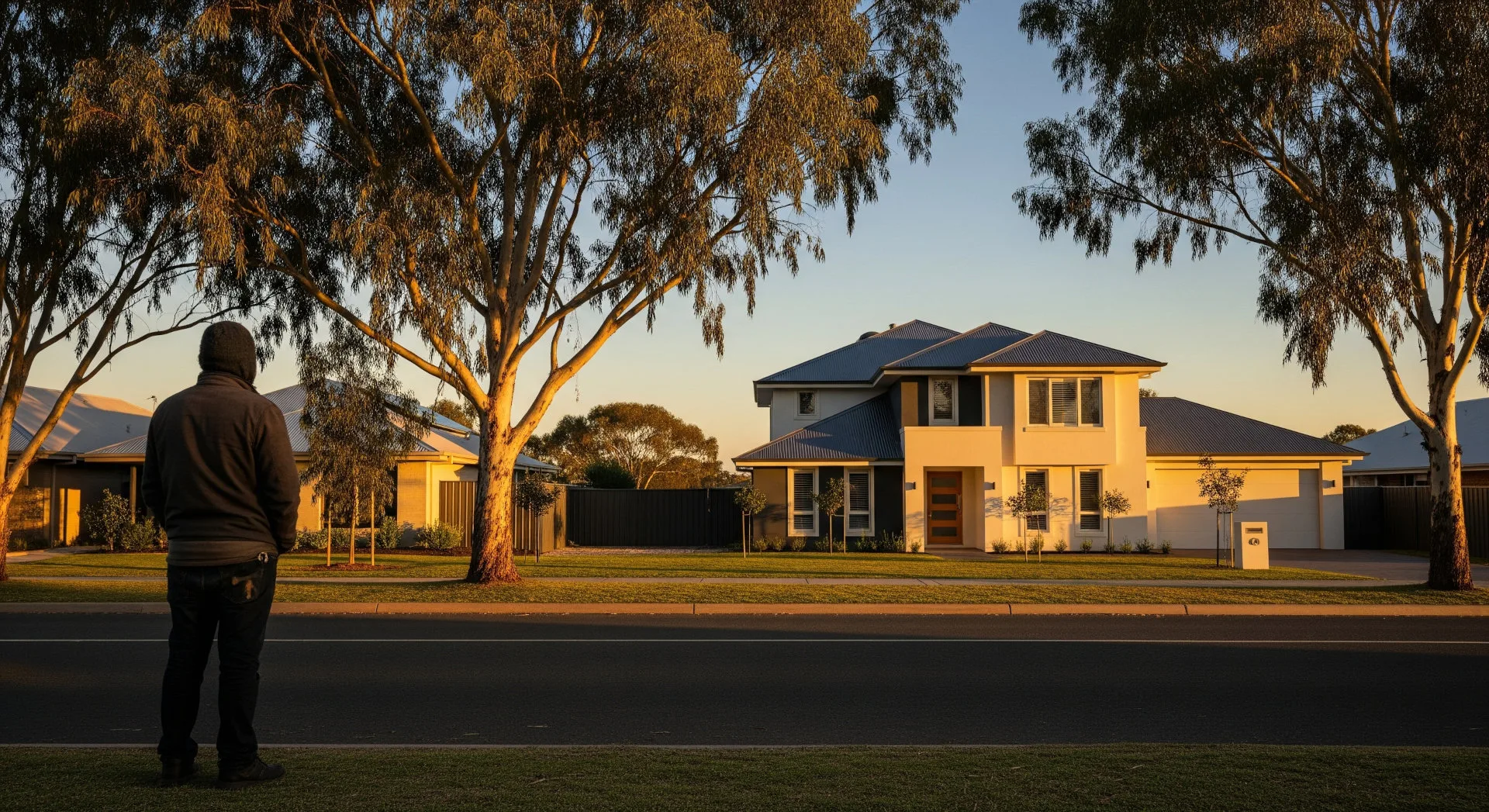
The experience of Danielle Malseed, who moved to the South East from the Northern Territory seeking more affordable housing, underscores the severity of the situation. Despite her expectations, she faced homelessness before receiving assistance from Ac.care.
Opportunities and Challenges for Property Professionals
While rising prices may benefit sellers and investors, property professionals must also address the growing affordability crisis. This includes:
- Advising clients on realistic property valuations: Agents need to provide accurate and data-driven assessments of property values, considering both market trends and affordability constraints.
- Exploring alternative housing solutions: Developers could explore opportunities for building more affordable housing options, such as smaller units or medium-density developments.
- Engaging with community organisations: Property professionals can collaborate with organisations like Ac.care to support initiatives that address homelessness and housing affordability.
- Understanding the changing demographics: Agents should be aware of the influx of people from interstate seeking affordable housing and tailor their services accordingly.
Market Activity Persists
Despite affordability challenges, some first-home buyers are still entering the market, particularly for properties priced below $500,000, according to real estate agent Macey Humphries. Kim Cawthorne recently sold a house in Mount Gambier for a record $1.46 million, indicating continued interest from interstate and intrastate buyers. Ms. Cawthorne notes that investment in business in Mount Gambier is attracting buyers seeking high-quality properties.
For valuers, the current market conditions necessitate a thorough understanding of local economic drivers and demographic shifts. They must accurately assess property values while considering the potential impact of affordability constraints and the influx of new residents.
The South Australian housing market presents a complex landscape for property professionals. While rising prices offer opportunities for some, the growing affordability crisis demands a proactive and socially responsible approach. By understanding the challenges and opportunities, property professionals can play a vital role in shaping a more sustainable and equitable housing market in the region.
This article is based on a report from www.abc.net.au titled “Homelessness grows in south-east SA as house prices rise”. You can find the original article here: https://www.abc.net.au/news/2025-08-16/regional-sa-house-prices-rise-faster-than-incomes/105643330
Given the unexpected surge in housing costs in regional South Australia, how can property professionals proactively address the mismatch between perceived affordability and actual housing costs to prevent further displacement and homelessness in these communities?
Disclaimer
The information contained in this article is for general informational purposes only and does not constitute financial, investment, or legal advice. The Australian Property Network (APN) is not a licensed financial advisor. The content is based on data from third-party sources and is provided without any warranty as to its accuracy, currency, or completeness. Property values can go down as well as up. Before making any property or investment decisions, you should conduct your own research and consider seeking independent professional advice tailored to your specific circumstances.