
Biloela PFAS Scare: Property Values Under the Microscope
The discovery of per- and polyfluoroalkyl substances (PFAS) contamination near Biloela, Queensland, is raising concerns about property values and the long-term viability of agricultural land in the region. The case of cattle farmer Larry Acton, whose property was contaminated by PFAS from the Callide Power Station, highlights the challenges faced by landowners and the potential implications for the broader property market.
Acton, who has spent over 50 years breeding Braford cattle, was forced to sell his herd after discovering PFAS contamination on his land in 2021. Bore water tests revealed PFAS levels more than double the Australian Drinking Water Guidelines at the time. He now faces the difficult decision of selling his land at a loss or passing the potential liability to his son.
PFAS Contamination: A Growing Concern
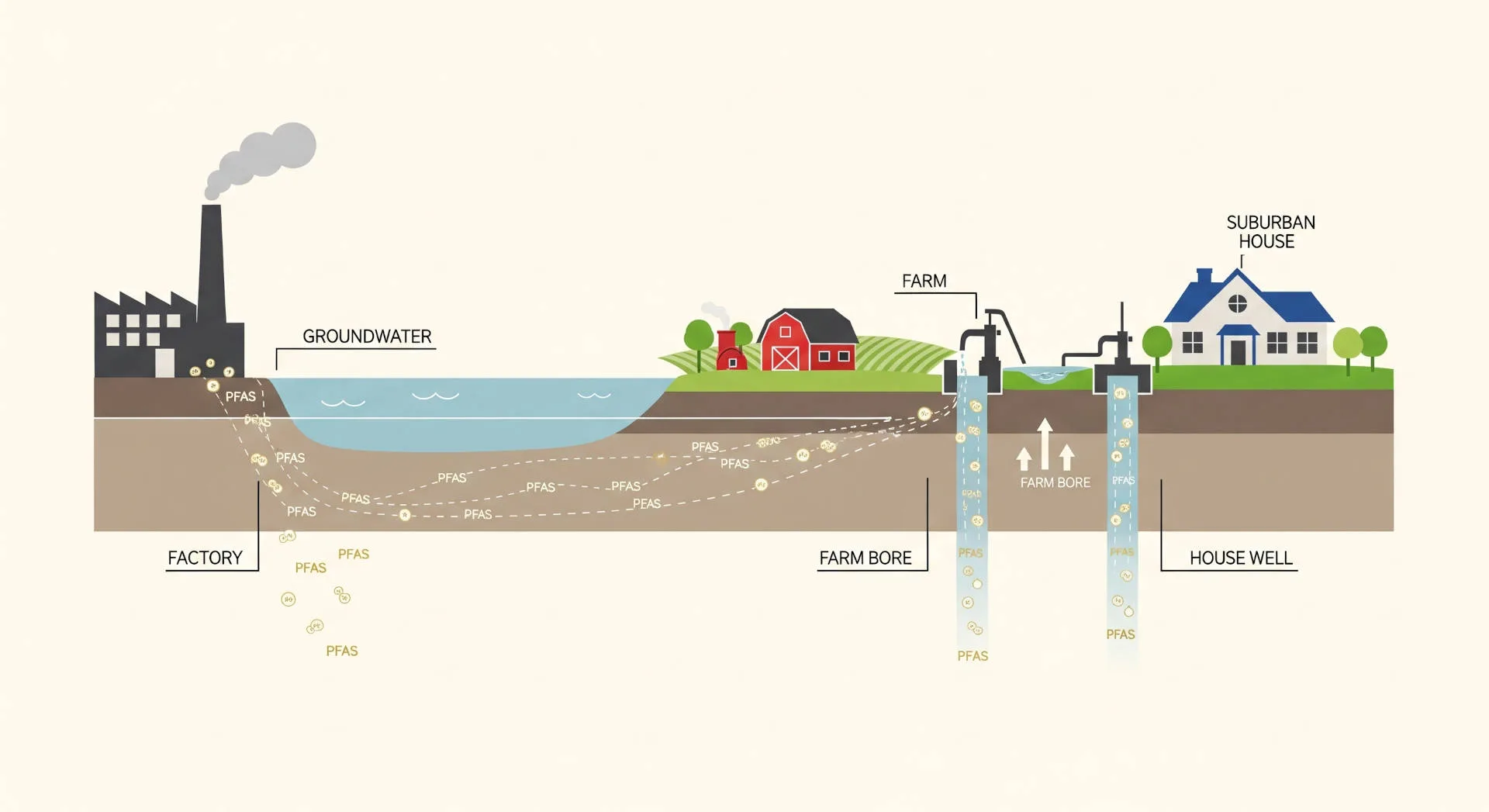
PFAS are a group of man-made chemicals used in firefighting foam and various household products. They are known as ‘forever chemicals’ because they persist in the environment for extended periods. While the impact of PFAS on human health is still under investigation, updated Australian Drinking Water Guidelines reflect growing concerns about exposure risks.
The contamination of Acton’s property raises several critical issues for property professionals:
- Valuation Challenges: Determining the fair market value of properties affected by PFAS contamination is complex. Standard valuation methods may not adequately account for the potential long-term risks and remediation costs.
- Disclosure Obligations: Real estate agents and vendors have a legal and ethical obligation to disclose known contamination issues to potential buyers. Failure to do so can result in legal action and reputational damage under legislation such as the Fair Trading Act 1987.
- Lender Scrutiny: Banks and other lenders are likely to exercise caution when providing financing for properties in areas affected by PFAS contamination. This can limit the pool of potential buyers and further depress property values.
- Insurance Implications: Obtaining adequate insurance coverage for properties with known contamination issues can be difficult and expensive.
Impact on Agricultural Land Values
The Biloela case underscores the vulnerability of agricultural land to environmental contamination. The lack of maximum residue limits for PFAS in meat under the Australia New Zealand Food Standards Code creates uncertainty for cattle farmers and potential export markets. The European Union has already imposed maximum residue limits, raising concerns that other markets may follow suit.
According to AgForce Queensland general president Shane McCarthy, greater financial support and better remediation of sites are needed to help affected property owners. The federal Department of Agriculture is monitoring PFAS developments through its SAFEMEAT committee, a partnership between industry and government.
Broader Implications for Property Professionals
The PFAS contamination issue extends beyond agricultural land. Environmental engineer Professor Denis O’Carroll from the Water Research Laboratory at the University of New South Wales, notes that groundwater contamination is a widespread issue, affecting urban and industrial areas, particularly near locations where firefighting activities have occurred, such as defence force bases.
This highlights the need for property professionals to:
- Conduct Due Diligence: Thorough environmental assessments should be conducted before purchasing or developing properties, particularly in areas with a history of industrial activity or firefighting training.
- Stay Informed: Property professionals need to stay up-to-date on the latest research and regulations related to PFAS and other environmental contaminants.
- Advocate for Policy Changes: Industry bodies such as the Real Estate Institute of Australia (REIA) should advocate for clear and consistent national standards for PFAS testing and remediation.
The Biloela PFAS contamination case serves as a stark reminder of the potential risks associated with environmental contamination and the importance of responsible land management practices. For property professionals, understanding these risks and taking proactive steps to mitigate them is crucial for protecting their clients’ interests and ensuring the long-term sustainability of the Australian property market.
This article is based on a report from www.abc.net.au titled “Hard choice for cattle farmer after Biloela property contaminated by PFAS”. You can find the original article here: https://www.abc.net.au/news/2025-08-10/pfas-water-guidelines-cattle-biloela-callide-cq/105597058
Given the potential for widespread PFAS contamination and its impact on property values, how can property professionals proactively assess and communicate environmental risks to buyers and sellers to ensure fair and informed transactions?
Disclaimer
The information contained in this article is for general informational purposes only and does not constitute financial, investment, or legal advice. The Australian Property Network (APN) is not a licensed financial advisor. The content is based on data from third-party sources and is provided without any warranty as to its accuracy, currency, or completeness. Property values can go down as well as up. Before making any property or investment decisions, you should conduct your own research and consider seeking independent professional advice tailored to your specific circumstances.