

NSW Government’s Woollahra Rezoning Pits Housing Density Against High-Value Suburb
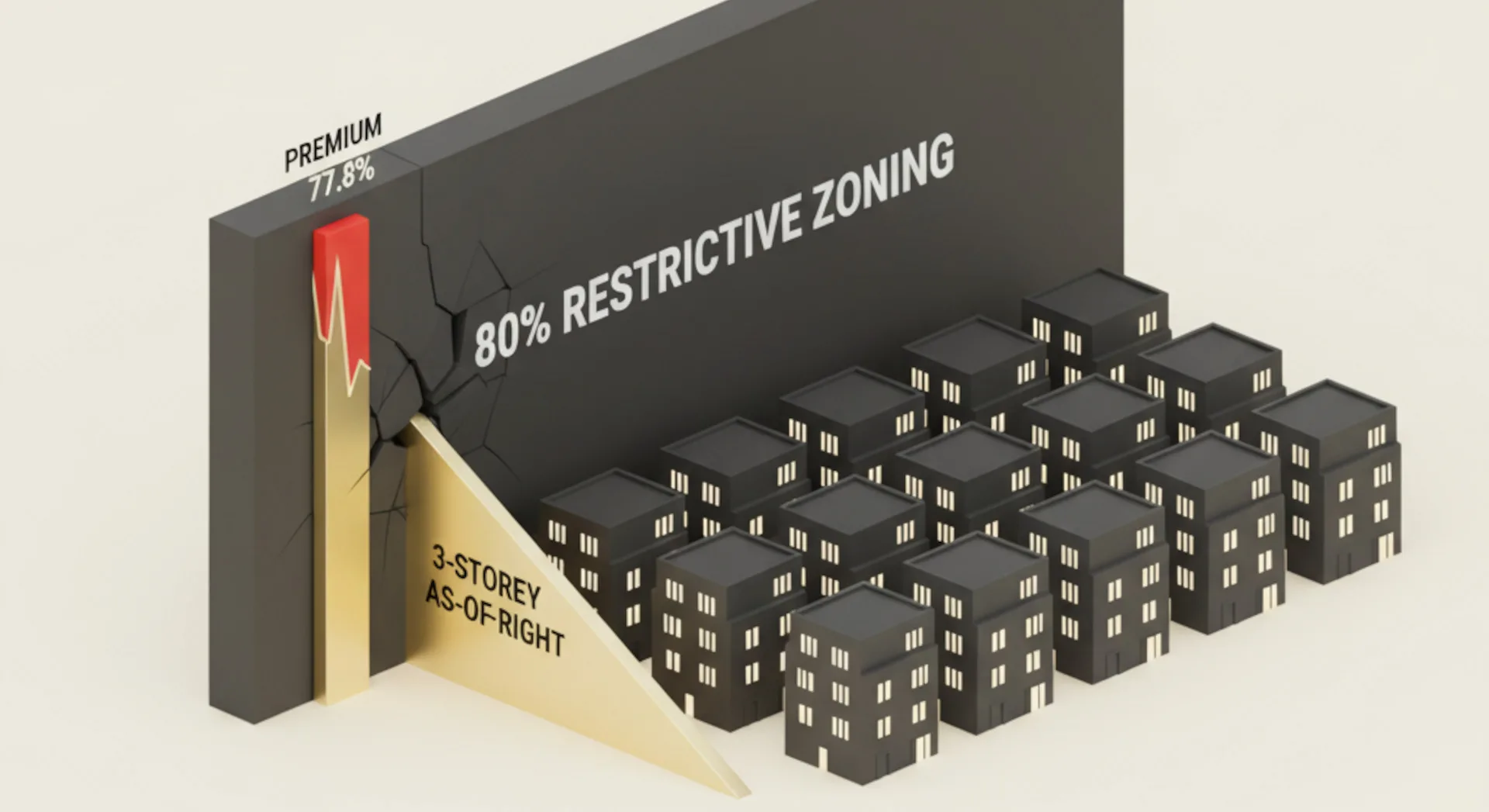
A NSW government plan to revive the dormant Woollahra Station project and rezone surrounding land for up to 10,000 new homes has created a fresh battleground over housing density in Sydney’s affluent eastern suburbs. The proposal is being hailed by proponents as a “game changer” but has been met with scepticism over its feasibility and the true extent of its affordability benefits.
The initiative aims to concentrate housing within an 800-metre radius of a reactivated Woollahra Station and a 400-metre radius of Edgecliff Station. Housing advocates like David Borger of Housing Now argue the project is a necessary step to ensure wealthy suburbs contribute to solving Sydney’s housing crisis. However, critics, including urban planning professor Nicole Gurran, question the 10,000-home target, noting that developers in high-end markets can often maximise profit by producing less, not more, housing.
The project’s proposed affordable housing component of up to ten per cent has also drawn criticism for being too low. Furthermore, the two-year rezoning process and a 2027 construction start date introduce significant political risk.
For property professionals, this proposal is a crucial case study. It highlights the immense challenge of upzoning in established suburbs and the tension between policy goals and market realities. The outcome will set a significant precedent for future high-density, transport-oriented developments in high-value locations across Australia.
This article is based on a report from www.abc.net.au titled “Fresh battlelines drawn over ‘game-changing’ housing plan in affluent Woollahra”. You can find the original article here: https://www.abc.net.au/news/2025-08-26/woollahra-housing-plan-reshapes-fight-more-homes-in-sydney/105694672
Given the potential for developers to prioritise profit over density and affordability in high-value areas like Woollahra, what innovative financial incentives or regulatory mechanisms can be implemented to ensure the delivery of a significant proportion of genuinely affordable housing within this development?
Disclaimer
The information contained in this article is for general informational purposes only and does not constitute financial, investment, or legal advice. The Australian Property Network (APN) is not a licensed financial advisor. The content is based on data from third-party sources and is provided without any warranty as to its accuracy, currency, or completeness. Property values can go down as well as up. Before making any property or investment decisions, you should conduct your own research and consider seeking independent professional advice tailored to your specific circumstances.