
Queensland Govt Pulls Plug on Moonlight Range Wind Farm: What it Means for Property
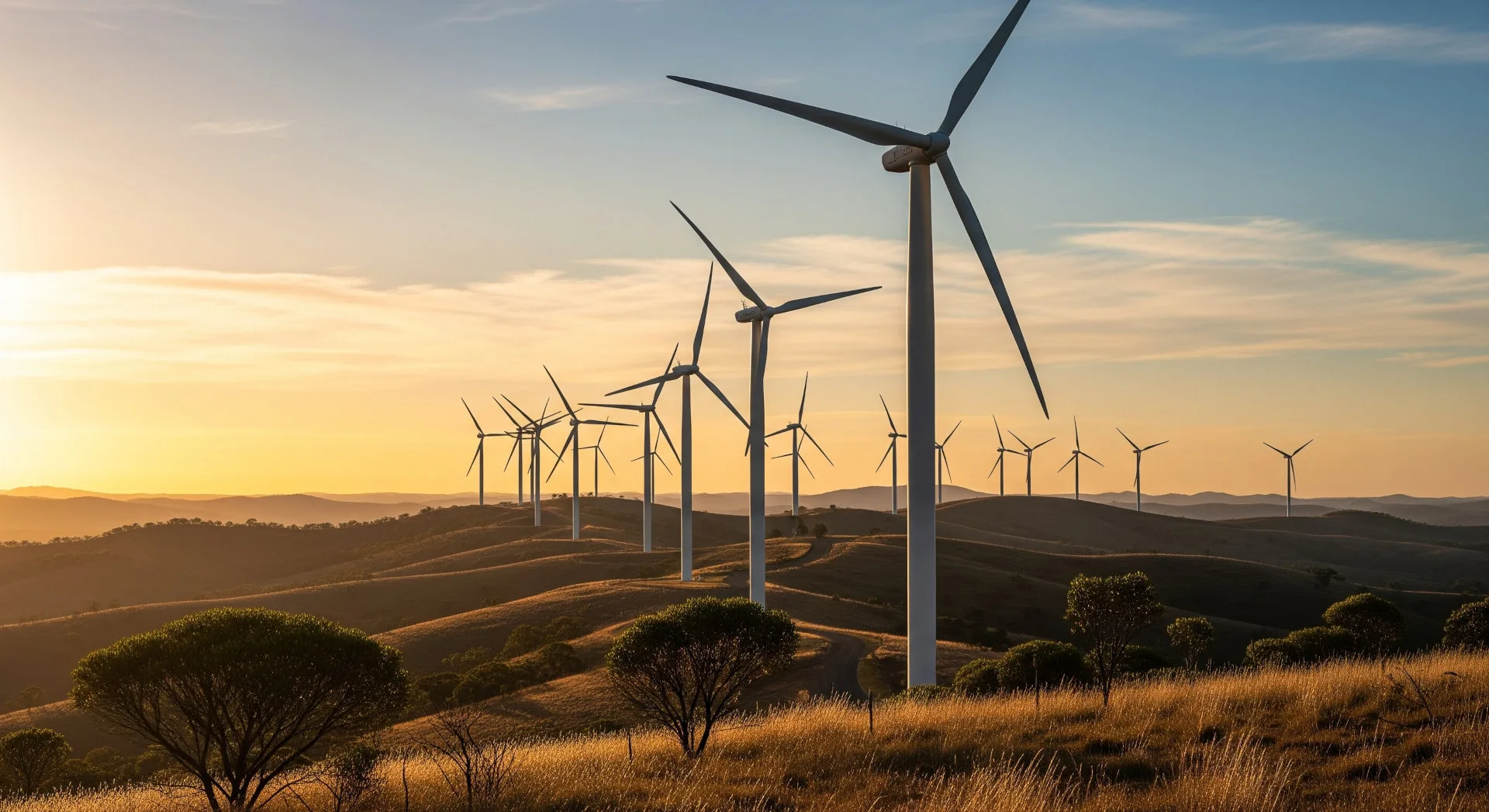
The Queensland government has axed the proposed $1 billion Moonlight Range Wind Farm project, signalling potential shifts in the state’s approach to renewable energy developments and raising questions for property professionals. Deputy Premier Jarrod Bleijie exercised ministerial powers to refuse the Development Application (DA) for the Greenleaf Renewables project, which was planned for Morinish, approximately 40 kilometres from Rockhampton, according to the ABC News report from May 26, 2025.
The project, approved by the State Assessment and Referral Agency in December 2024, included 88 wind turbines and a battery energy storage system across 24 parcels of land. It had a planned capacity of 450 megawatts, intended to generate energy for 260,000 homes annually. Greenleaf Renewables anticipated commencing construction in 2026, creating 300 jobs during construction and 10 ongoing positions upon completion, as reported by the ABC.
The decision to reject the DA followed a “call-in” process initiated by Mr Bleijie in January 2025. During the two-month reassessment period, the government received 508 representations, including 142 from local residents. According to Mr Bleijie, 88% of local residents opposed the wind farm.
Key concerns raised by objectors included the strain on local accommodation due to the influx of 300 construction workers, a perceived lack of community consultation, and potential environmental and bushfire hazard impacts. These concerns highlight the critical importance of comprehensive community engagement strategies for large-scale infrastructure projects, particularly in regional areas.
Mr Bleijie stated that community support is a key factor in determining whether such projects proceed. He drew parallels with the resource, agriculture, and gas sectors, suggesting that renewable energy projects should also require community buy-in. This stance could signal a more cautious approach to renewable energy development approvals in Queensland, potentially impacting the investment landscape.
The decision has drawn mixed reactions. LNP Member for Mirani Glen Kelly, who campaigned against the project, welcomed the decision. Conversely, Queensland Conservation Council spokesperson Stephanie Gray suggested the government’s action sends a signal that Queensland is “closed for clean energy business.” Ms Gray also raised environmental concerns about the project’s impact on threatened species, while also criticising the Queensland government for not doing enough to manage the environmental impact of renewable energy projects across the board.
GreenLeaf Renewables expressed disappointment and stated it would review the feedback to inform its next steps. The company’s response underscores the need for developers to carefully assess planning risk and community sentiment when pursuing large-scale projects.
Implications for Property Professionals:
This decision highlights several key considerations for property professionals involved in development and investment:
- Community Engagement: The Moonlight Range Wind Farm case underscores the critical role of proactive and transparent community engagement. Developers need to demonstrate a genuine commitment to addressing local concerns and mitigating potential negative impacts.
- Planning Risk: The exercise of ministerial powers to overturn a previously approved DA introduces an element of planning risk that investors and developers must factor into their feasibility assessments. This is especially true for projects that may face significant community opposition.
- Precedent Setting: This decision could set a precedent for future renewable energy projects in Queensland, potentially leading to more stringent approval processes and greater emphasis on community consultation.
- Supply Pipeline Impact: The cancellation of a 450-megawatt wind farm could impact the state’s renewable energy supply pipeline and potentially affect future energy costs. This has implications for businesses and industries that rely on affordable and reliable energy.
The Moonlight Range Wind Farm decision serves as a reminder of the complex interplay between economic development, environmental sustainability, and community interests in the planning and development process. Property professionals must navigate these competing priorities to ensure projects are both economically viable and socially responsible.
This article is based on a report from www.abc.net.au titled “Moonlight Range Wind Farm project axed by Queensland government”. You can find the original article here: https://www.abc.net.au/news/2025-05-26/moonlight-range-wind-farm-project-axed/105335872
Given the increased emphasis on community approval, how can developers proactively and genuinely engage with local communities early in the planning process to build trust and address concerns before significant investment is made?
Disclaimer
The information contained in this article is for general informational purposes only and does not constitute financial, investment, or legal advice. The Australian Property Network (APN) is not a licensed financial advisor. The content is based on data from third-party sources and is provided without any warranty as to its accuracy, currency, or completeness. Property values can go down as well as up. Before making any property or investment decisions, you should conduct your own research and consider seeking independent professional advice tailored to your specific circumstances.