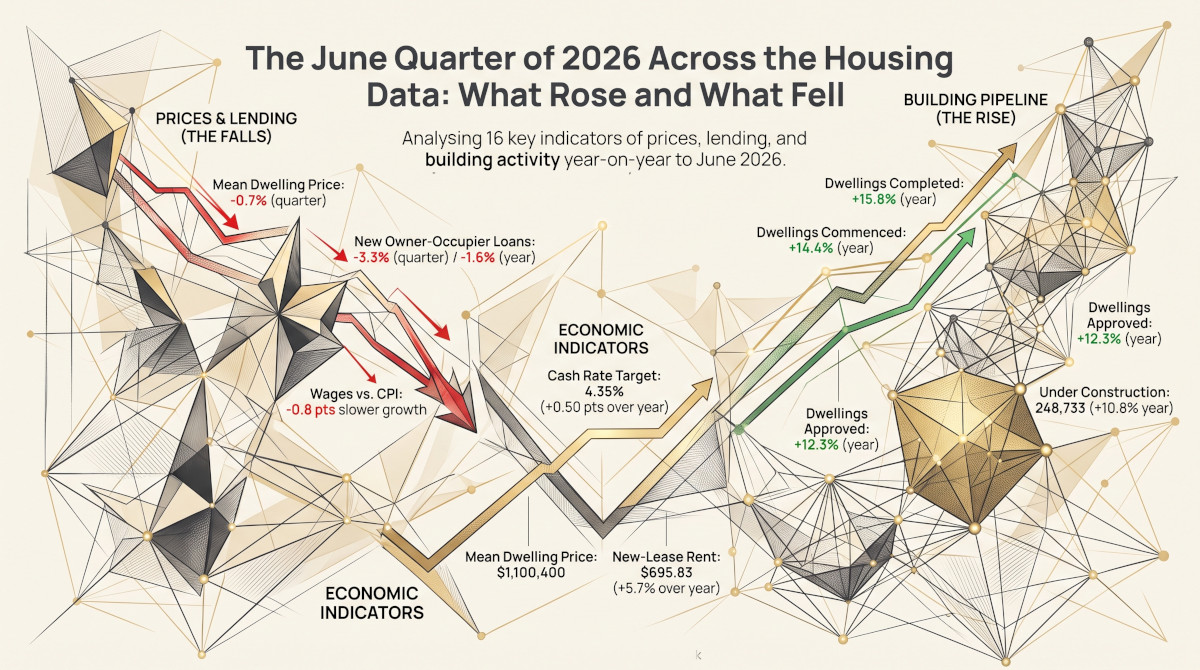


The Australian financial system plays a pivotal role in shaping our economic landscape, and the significant weight of housing finance within this system is undeniable. With residential mortgages constituting such a substantial portion of bank assets and loan portfolios, it prompts a critical question for those of us focused on the long-term trajectory of our nation: Is this overwhelming focus on mortgage lending, while providing stability in one sector, unintentionally creating a financial landscape that under-serves other critical drivers of our future economy, particularly innovation and the growth of diverse businesses?
The inclination of our banking sector towards mortgage lending is understandable. Secured against tangible assets like property, these loans are often perceived as lower risk and offer consistent returns. Regulatory frameworks, while aimed at ensuring financial stability, may also implicitly favour these well-established products. However, this systemic preference, when viewed through the lens of long-term economic development, raises concerns. Could this dominant focus inadvertently create a bias against riskier, yet potentially transformative, business ventures that are essential for Australia to evolve and compete in the global arena?
One of the most significant potential casualties of this mortgage-centric approach is the small and medium enterprise (SME) sector. Often lacking the substantial property assets required as collateral for traditional bank loans, these businesses, which are the engines of innovation and job creation in many economies, can face significant hurdles in accessing the capital they need to grow and scale. This can stifle entrepreneurial activity, limit the development of new technologies and industries, and ultimately hinder Australia’s progress towards a more complex and diversified economy – a crucial element for our long-term resilience. The report’s observation about the difficulty businesses face in securing unsecured loans above modest amounts speaks volumes about this challenge.
While the financial landscape is evolving with the growth of non-bank lenders and the securitisation market, these alternative pathways may not fully address the potential capital gap for innovative businesses. These newer avenues of funding may come with different risk profiles or cater to specific niches, and their capacity to provide the broad-based support needed for widespread business innovation remains to be seen. Furthermore, relying on these alternatives doesn’t negate the fundamental question of whether our primary financial institutions are optimally structured to fuel a diverse and innovative economy for the long haul.
As founders and leaders within the Australian property sector, we have a responsibility to consider the broader economic ecosystem that supports our industry. A thriving property market is intrinsically linked to a healthy and diverse economy. Therefore, we must advocate for a more balanced approach to financial resource allocation, one that actively supports business investment and innovation alongside responsible housing finance. This may require a collaborative effort involving the financial sector, policymakers, and industry bodies to explore new models of lending, refine regulatory frameworks, and foster a culture that encourages investment in the long-term growth potential of Australian businesses across all sectors.
In conclusion, while the stability provided by a robust housing finance system is valuable, we must be mindful of the potential long-term trade-offs for Australia’s economic diversification and resilience. An overemphasis on mortgage lending risks creating a financial landscape that inadvertently starves other crucial sectors of the capital they need to innovate and grow. To secure our long-term prosperity beyond the cyclical nature of the property market, we need a strategic shift towards a financial ecosystem that more effectively fuels innovation, supports a broader range of economic activities, and ultimately invests in a more complex and resilient future for all Australians.
Based on findings from the APN Research Report: The Australian Property Market: Economic Driver or Diversification Drag?