

The Uninsurable Future: Deconstructing the Systemic Threat of Escalating Bushfires
APN ANALYSIS: R-251009-AUS73
Executive Summary
New scientific research confirms a dangerous acceleration in the frequency and intensity of catastrophic bushfires, elevating the threat from a seasonal hazard to a core economic and systemic risk for the Australian property sector. With 43% of the world’s 200 costliest fires since 1980 occurring in the last decade alone, the data signals that the insurability and long-term value of vast sections of the property market are now under direct threat.
The strategic implication is that the property industry must pivot from a reactive mindset of suppression to a proactive strategy of adaptation and resilience. The era of treating climate risk as an externality is over. For developers, valuers, and investors, integrating verifiable resilience measures into every stage of the property lifecycle is no longer a niche practice but an urgent imperative for mitigating financial loss and ensuring long-term asset viability.
Background & Strategic Context
The escalating bushfire crisis is a long-term, structural force that is fundamentally reshaping the risk profile of the built environment, a dynamic best understood through our core intelligence frameworks.
- Engineering for Resilience (Project Overlord): The accelerating bushfire threat demands a Project Overlord-level response: a permanent re-engineering of our design and building philosophy. This is not about incremental changes but a fundamental shift to prioritise climate resilience in every aspect of planning, material selection, and construction to create insurable and defensible assets.
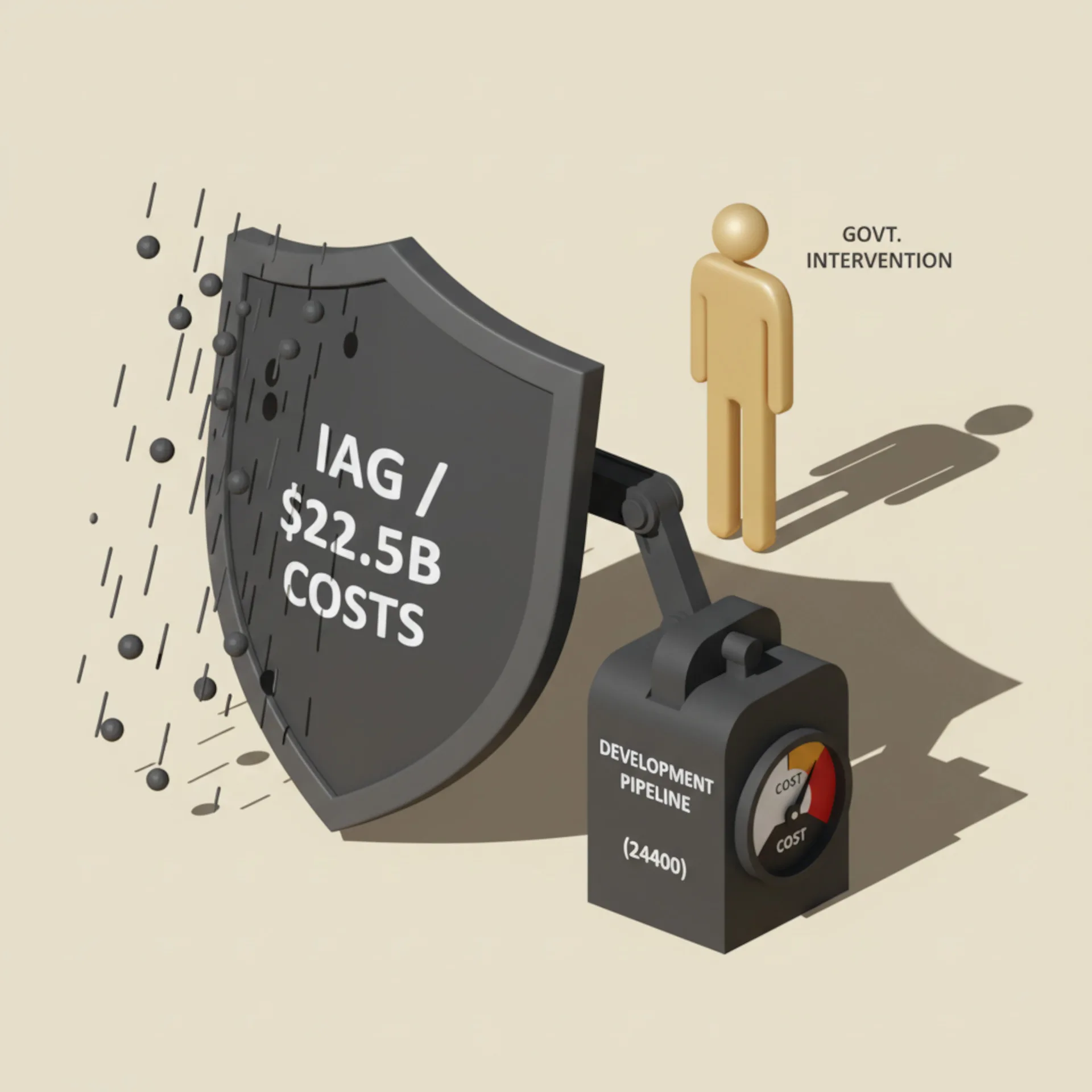
- The Insurance Shield Cracks (Project Shield): The escalating threat directly challenges the financial stability of the insurance sector, a critical component of the market’s Project Shield. As insurers reprice risk through higher premiums or withdraw coverage from the most vulnerable areas, the shield cracks, threatening the fundamental affordability and mortgage-ability of property for millions of Australians.
- Eroding Community Resilience (APN Social Capital Index™): The tripling of bushfires causing 10 or more deaths underscores the catastrophic human and community cost of this crisis. This directly erodes the foundational ‘Safety’ and ‘Community’ pillars of the index, highlighting how the threat degrades not just financial value, but the social fabric and well-being that make a location desirable.
Deconstruction of the theguardian.com Report
The report, detailing research published in the journal Science, provides empirical evidence of an accelerating global bushfire crisis driven by climate change. The key data points are:
- Accelerating Frequency: Of the 200 costliest bushfires since 1980, 43% have occurred in the last 10 years.
- Increasing Severity: Half of all fires causing $1 billion or more in damage have also happened within the last decade.
- Rising Human Cost: The frequency of fires causing 10 or more deaths has tripled since 1980, a rate far exceeding population growth.
- Climate Link: The trend is explicitly linked to worsening weather conditions, with half of the analysed bushfires occurring when local fire danger was in the worst 0.1% on record.
Critical Analysis & Balanced View
The most critical insight is the definitive shift from risk to certainty. The data confirms that catastrophic bushfires are no longer unpredictable “natural disasters” but a predictable, recurring feature of our climate. This moves the issue out of the realm of disaster response and into the core of economic and financial planning. The insurance industry, which prices risk for a living, is the canary in the coal mine, and their escalating premiums are the clearest signal that the market is beginning to price in this new reality.
The analysis reveals that the most common cause of home destruction is not the main fire front, but ember attack. This is a crucial finding, as it highlights that relatively low-cost mitigation strategies, such as installing ember-proof seals and managing a defensible space around a property, can have an outsized impact on a home’s resilience. The problem is not a lack of technical solutions, but a lack of economic incentives and regulatory mandates to implement them at scale.
Balanced View: The scientific evidence of an escalating bushfire threat is undeniable. The property sector can no longer afford to treat this as an external problem to be managed by emergency services. The focus must pivot from suppression to resilience. While the challenge is immense, the solutions, better design, resilient materials, and defensible landscaping, are well understood. The key to driving transformational change is creating clear economic incentives, such as insurance discounts for resilient homes, that reward proactive adaptation and make building for resilience the new industry standard.
Strategic Implications for Property Professionals
- For Developers & Builders: Resilience must be a core design principle, not an optional extra. Prioritise non-combustible materials, comprehensive ember proofing, and the establishment of clear Asset Protection Zones (APZ) from the earliest planning stages to create safer, more insurable assets.
- For Valuers & Lenders: Your risk assessment models must evolve. Valuations must now incorporate forward-looking climate risk data, including the property’s Bushfire Attack Level (BAL) rating and the presence of documented resilience measures. Lenders will need to demand clearer disclosure of these risks.
- For Agents: You have a duty of care to understand and disclose known bushfire hazards. Furthermore, you have a commercial opportunity to market the specific resilience features of a property (e.g., “BAL-40 rated,” “fully ember-proofed”) as a premium selling point.
- For Industry Bodies & Insurers: Advocate for the creation of a standardised “Bushfire Resilience Rating” for homes. Linking this rating to insurance premium discounts will create the powerful economic incentive needed to drive widespread adoption of resilient building practices by both the industry and consumers.
This article is based on a report from www.theguardian.com titled “Wildfires are getting deadlier and costing more. Experts warn they’re becoming unstoppable | Wildfires”. You can find the original article here: https://www.theguardian.com/world/2025/oct/02/earths-wildfires-growing-in-number
Given the increasing frequency and severity of wildfires, how can property professionals proactively integrate climate risk assessments and mitigation strategies into property development, valuation, and insurance practices to protect investments and communities?
Disclaimer
The analysis and information contained in this deconstruction are for general informational and strategic purposes only and do not constitute financial, investment, legal, or any other form of professional advice. The Australian Property Network (APN) is a strategic intelligence organisation and is not a licensed financial advisor.
This analysis is based on data and information from third-party sources believed to be reliable; however, APN provides no warranty as to its accuracy, currency, or completeness. Images used in this analysis are for illustrative and conceptual purposes only and may not represent real persons, properties, or events. Property values and market conditions can go down as well as up.
Before making any property or investment decisions, you must conduct your own thorough research and seek independent professional advice tailored to your specific circumstances.