
The Digital Blackout: Deconstructing the Optus Failure and the New Infrastructure Risk for Property
APN ANALYSIS: A-250924-AUS53
Executive Summary
The nationwide Optus network outage on September 18, 2025, which led to the failure of triple-0 emergency calls and has been linked to multiple deaths, was a critical infrastructure failure with profound second-order impacts on the property sector. The incident has triggered an independent investigation by the Australian Communications and Media Authority (ACMA) into Optus’s compliance with emergency call laws, and has drawn severe criticism from federal and state governments.
For property professionals, the key takeaway is that the digital resilience of a property is now a core and non-negotiable component of its risk profile. The outage exposed a systemic vulnerability in the operation of smart buildings, the continuity of property businesses, and the fundamental safety of residents. The expected regulatory crackdown will force the industry to proactively address and invest in mitigating this new layer of infrastructure risk.
Background & Strategic Context
The Optus outage is a watershed moment, demonstrating the profound dependency of physical property assets on digital infrastructure. This event highlights the real-world consequences of risks tracked by our core intelligence frameworks.
- Systemic Digital Risk (Project Shield): This event is a powerful and tragic illustration of Project Shield. It reveals a critical systemic risk and a single point of failure in national infrastructure that was previously underestimated. The failure of the triple-0 service, a fundamental public safety net, highlights a vulnerability that directly impacts the security of every property and person in an affected area.
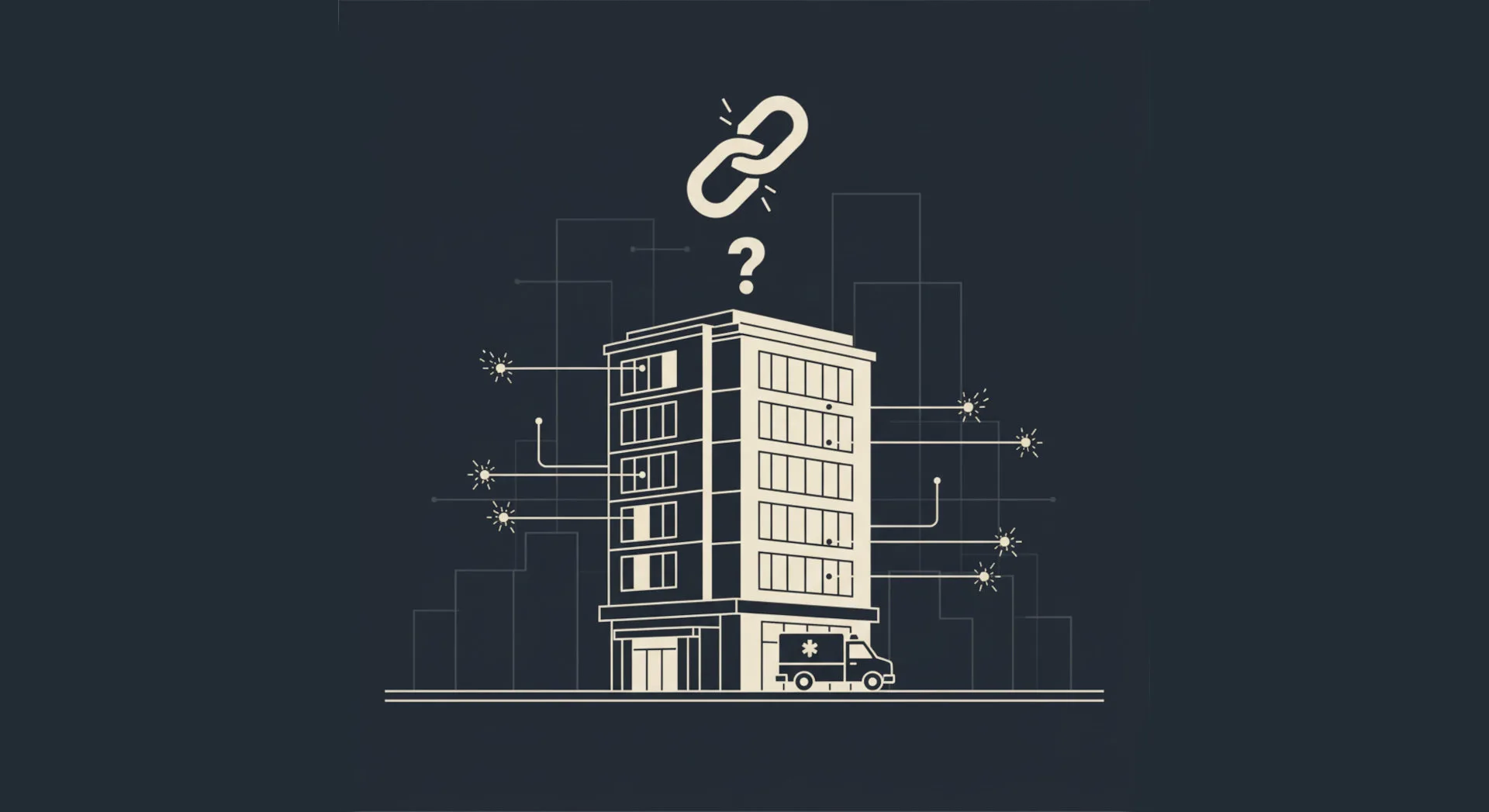
- The Fragile Smart Building (Project Overlord): This incident directly impacts the Project Overlord macro trend of digitisation and the “smart building” revolution. It serves as a stark reminder that as buildings become more technologically complex, with integrated management systems, security, and IoT devices, their operational integrity becomes dangerously dependent on the resilience of external telecommunications networks.
- The Social Contract (APN Social Capital Index): The failure of a critical service like triple-0, provided by a major private corporation, erodes public trust in both corporations and the adequacy of regulatory oversight. This diminishes the APN Social Capital Index, creating a political environment where a heavy-handed regulatory response becomes not just possible, but probable, as politicians move to restore public confidence.
Deconstruction of the abc.net.au Report
The abc.net.au report details a multi-faceted crisis with regulatory, political, and human consequences.
- The Core Event: A nationwide Optus network outage occurred on Thursday, September 18, 2025, lasting for approximately 13 hours. Critically, the failure prevented some triple-0 emergency calls from connecting, an event linked to tragic consequences.
- The Regulatory Response: The Australian Communications and Media Authority (ACMA) has launched an independent investigation into Optus’s compliance with Australian laws regarding the handling of emergency calls.
- The Political Fallout: The report highlights severe criticism of Optus’s handling of the crisis from federal and state leaders, including Communications Minister Anika Wells and SA Premier Peter Malinauskas, for letting Australians down and for delaying information sharing.
- The Call for Regulation: The report includes calls from experts like RMIT’s Mark Gregory for the government to introduce minimum performance standards for the telco industry, signalling a likely regulatory crackdown.
Critical Analysis & Balanced View
The analysis must move beyond simply criticising Optus to recognise this as a systemic failure, not just a corporate one. The outage exposes a broader, national vulnerability in Australia’s critical infrastructure planning. The market’s reliance on a small number of private telecommunications oligopolies, without mandated and rigorously enforced redundancy and failover protocols for essential services like triple-0, is a systemic risk that has now been tragically realised.
While a regulatory crackdown seems inevitable and politically necessary, regulators face a difficult balancing act. Imposing overly prescriptive and costly regulations (e.g., forcing full network duplication) could stifle private investment in new technologies like 5G and drive up consumer costs. The challenge for ACMA and the government is to craft regulations that significantly enhance resilience, particularly for life-critical services, without crippling the commercial viability and innovative capacity of the network operators.
Strategic Implications for Property Professionals
- For Developers & Builders (Smart Buildings): The value proposition of “smart home” technology is now directly challenged by infrastructure reliability. Future developments will need to incorporate redundancy (e.g., multi-carrier connectivity, backup satellite links for essential services) to be marketed as truly secure and resilient. This becomes a new point of competitive differentiation and a key consideration in design briefs.
- For Body Corporates & Strata Managers: There is a new, urgent imperative to audit the telecommunications dependency of their buildings. This includes essential systems like lift emergency phones, fire indicator panels, and networked security systems. They face a potential increase in liability and must develop and test their own business continuity plans for prolonged telecommunications outages.
- For Commercial Landlords: The “digital connectivity” rating of a building is becoming as important as its physical amenity or energy rating. The ability to offer tenants resilient, multi-carrier internet and voice services is a significant value-add and a crucial risk mitigator that can command premium rents.
- For all Professionals: The outage serves as a mandate to review all operational dependencies on a single communications provider. Business continuity plans must now explicitly account for a total network failure and include robust provisions for alternative communication and payment systems to ensure operations can continue.
This article is based on a report from www.abc.net.au titled “Optus slammed over outage linked to deaths as ACMA told to investigate”. You can find the original article here: https://www.abc.net.au/news/2025-09-20/premier-slams-optus-over-triple-0-outage-linked-to-deaths/105797404
Given the potential impact of telecommunications failures on property-related emergencies (e.g., fire, medical), what proactive measures should property professionals implement to ensure tenant/resident safety and access to emergency services when standard communication infrastructure fails?
Disclaimer
The analysis and information contained in this deconstruction are for general informational and strategic purposes only and do not constitute financial, investment, legal, or any other form of professional advice. The Australian Property Network (APN) is a strategic intelligence organisation and is not a licensed financial advisor.
This analysis is based on data and information from third-party sources believed to be reliable; however, APN provides no warranty as to its accuracy, currency, or completeness. Images used in this analysis are for illustrative and conceptual purposes only and may not represent real persons, properties, or events. Property values and market conditions can go down as well as up.
Before making any property or investment decisions, you must conduct your own thorough research and seek independent professional advice tailored to your specific circumstances.