
Church-to-Airbnb Reversal in Mount Gambier Highlights Adaptive Reuse Complexities
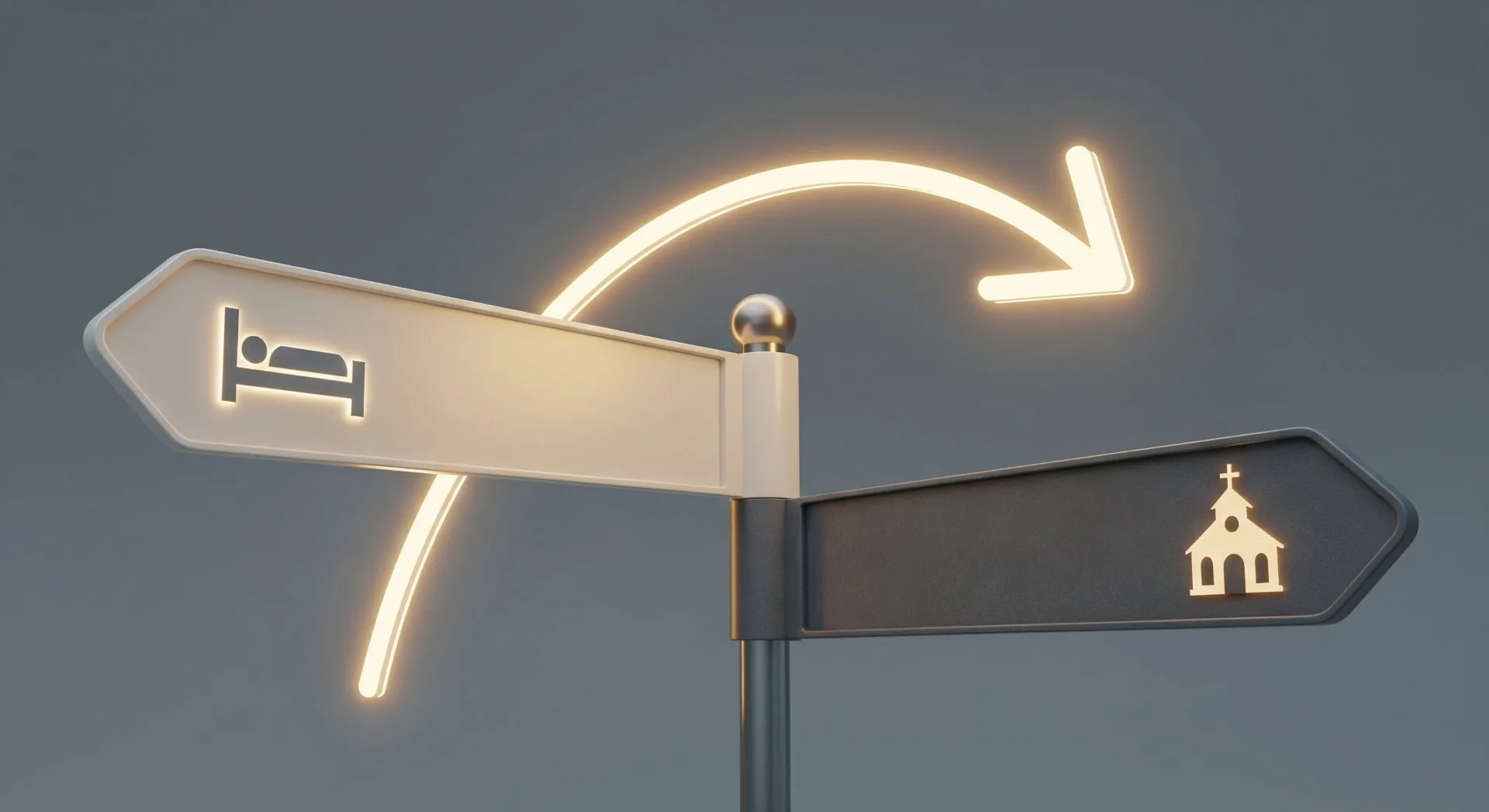
A former Primitive Methodist church in Mount Gambier, originally slated for conversion into an Airbnb, will once again serve as a place of worship, this time as a Greek Orthodox church, as reported by ABC News.
The Greek Orthodox Diocese of Adelaide officially acquired the Herbert Street property, built in 1869, after securing development approval last month. Bishop Silouan of Adelaide described the acquisition as “very special, very moving.” This unusual reversal of property use raises questions for property professionals about adaptive reuse, community needs, and the potential for niche investment opportunities.
Adaptive Reuse and Community Needs
The planned conversion to an Airbnb highlights a common trend: the adaptive reuse of religious buildings for secular purposes. However, the Diocese’s purchase demonstrates a counter-trend, prioritising community and religious needs over potential tourism revenue. This decision underscores the importance of understanding local demographics and cultural values when assessing property development opportunities. For property developers and investors, this situation presents a case study in balancing commercial viability with community expectations.
According to Bishop Silouan, the church will offer a “fullness of the worship experience” to followers, with services scheduled to commence on October 19. Previously, services were held sporadically in other locations. The Diocese believes a dedicated church will attract more worshippers, reflecting the adage “build it and they will come.”
Neighbourhood Concerns and Development Considerations
The Limestone Coast Southern Regional Assessment Panel meeting on August 21 revealed concerns from neighbours regarding potential traffic, parking, and noise issues. The church has stated that amplified music will not be used and that regular Sunday services are expected to draw 20 to 30 attendees, with larger gatherings anticipated for special events. These concerns highlight the importance of community consultation and careful planning when repurposing properties, particularly in residential areas. Property managers should take note of these concerns when assessing the suitability of similar properties for alternative uses.
Architect Photi Kazis noted that the “charming” and “humble” church requires renovations to address stonework, roofing, fire compliance, and accessibility for people with disability. These upgrades represent a significant investment and underscore the need for thorough due diligence when acquiring and redeveloping older buildings. The architect emphasised that the building’s form should reflect its function, stating, “At the moment it looks like a church, so we’re saying it’s now going back to that original use, which is appropriate.”
From Airbnb to Altar: A Change of Fortune
The previous owner, Jodi, had intended to convert the church into a three-bedroom Airbnb after purchasing it in 2022. However, the project faced setbacks, including vandalism and difficulties in securing tradespeople. After the Diocese approached her with an offer in December, contingent on development approval, Jodi agreed to sell. She expressed sadness that her plans did not materialise but acknowledged that the building seemed destined to be a church. This narrative serves as a cautionary tale for investors, highlighting the potential risks and unforeseen challenges associated with property development projects, especially those involving heritage buildings or complex change-of-use applications.
For real estate agents and valuers, this case highlights the importance of considering a wide range of potential uses for unique properties and understanding the diverse needs of the community. While short-term rental opportunities may seem attractive, the long-term value of properties can also be realised through adaptive reuse that serves community needs and preserves heritage.
This article is based on a report from www.abc.net.au titled “Mount Gambier church being converted into Airbnb to become place of worship again”. You can find the original article here: https://www.abc.net.au/news/2025-09-04/greek-orthodox-diocese-buys-church-earmarked-for-airbnb/105713082
Given the increasing trend of repurposing religious buildings, what are the key factors that influence the reversal of this trend, leading to the reconversion of secular spaces back into places of worship, and how can property professionals better anticipate and accommodate these shifts?
Disclaimer
The information contained in this article is for general informational purposes only and does not constitute financial, investment, or legal advice. The Australian Property Network (APN) is not a licensed financial advisor. The content is based on data from third-party sources and is provided without any warranty as to its accuracy, currency, or completeness. Property values can go down as well as up. Before making any property or investment decisions, you should conduct your own research and consider seeking independent professional advice tailored to your specific circumstances.