
When Perception Becomes Reality: Deconstructing the Impact of Crime Fears on Victorian Property Values
APN ANALYSIS: A-250909-VIC3
Executive Summary
The Victorian Police Minister’s admission that the community feels youth crime has “never been worse” is a critical turning point where the perception of risk has become a more potent market force than statistical reality. This, combined with record-high youth offence rates, has created a new and material threat to property values and investor confidence. The key strategic takeaway is that the narrative around community safety is now a primary driver of market sentiment. For property professionals, this demands a fundamental shift in strategy from analysing historical data to actively managing the commercial impact of public fear.
This analysis deconstructs the link between rising crime statistics, the government’s reactive policy response, and the direct consequences for the property market. The minister’s concession has validated public anxiety, effectively giving it an official imprimatur. This makes “perceived safety” a tangible and defensible factor in property valuation and buyer decision-making, with significant implications for agents, developers, and investors across the state.
Background & Strategic Context
The anxiety over crime in Victoria is a powerful illustration of how social cohesion directly underpins property market stability. This event’s significance is best understood through our core intelligence frameworks.
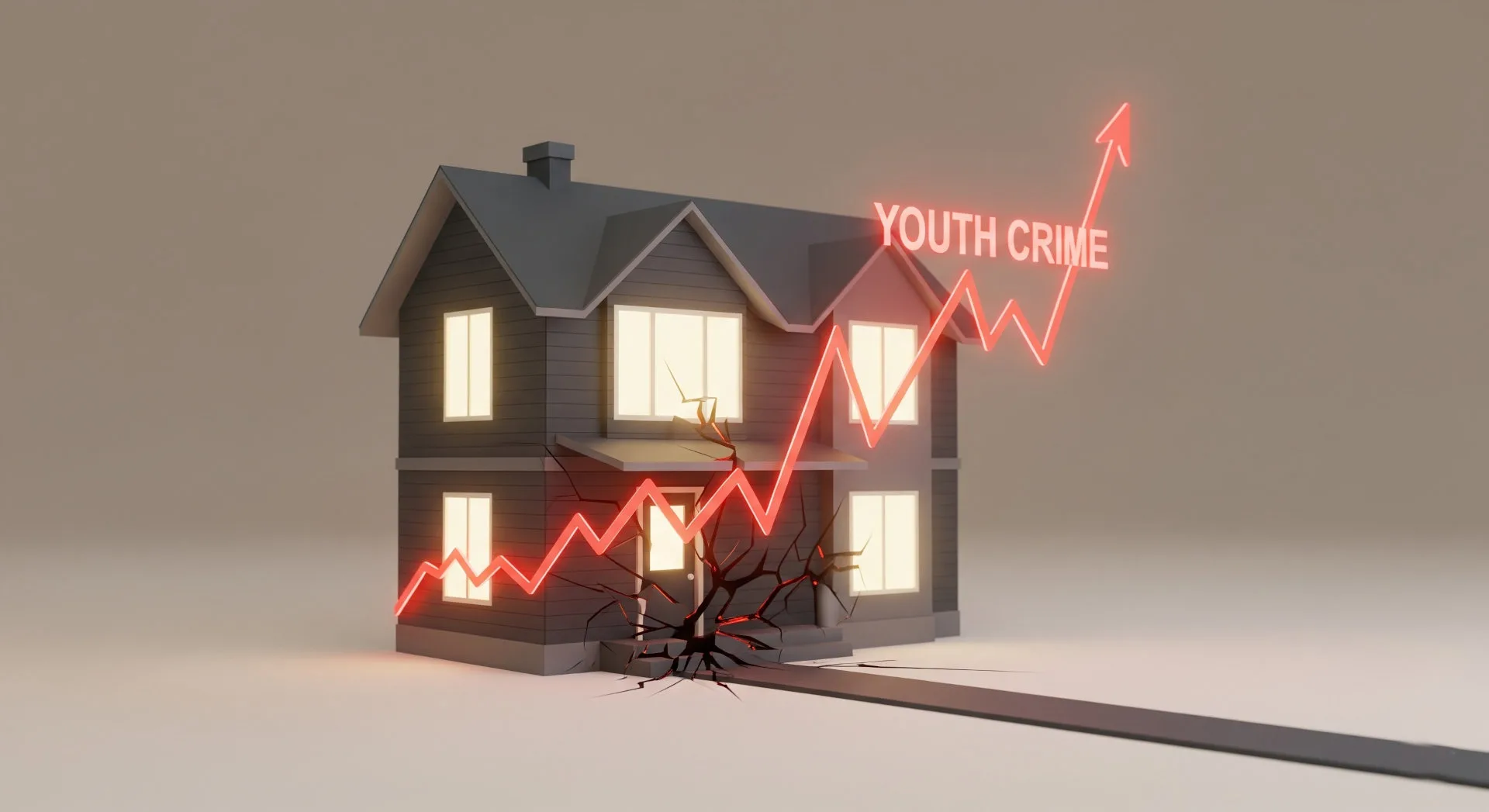
- Cracks in the Foundation (The Wealth Funnel): A core tenet of our “Wealth Funnel” analysis is that property values are built on a foundation of effective “social infrastructure.” This includes not just tangible assets like schools and hospitals, but an intangible yet critical sense of public safety and order. The current situation shows that when this foundational layer is perceived to be cracking, it directly threatens the asset values built upon it.
- The Flight to Safety (Housing Portability): Perceptions of safety are a primary driver of internal migration, a key theme of “Housing Portability.” Widespread fear of crime can trigger a “flight to safety,” causing demographic shifts as residents with the financial means relocate to suburbs perceived as more secure. This can create a negative feedback loop, depressing values and investment in some areas while inflating them elsewhere.
- The Limits of State Control (Project Overlord): This situation highlights the limits of the state’s ability to control a public narrative. Despite the government’s legislative responses (strengthening bail laws), the minister’s admission concedes that they have effectively lost control of the public’s perception of safety. For the property market, which runs on confidence, this loss of narrative control by the state is a significant, independent risk factor.
Deconstruction of the Source Event
The initial reports from sources including ABC Radio Melbourne and Yahoo News establish the key facts:
- Minister’s Admission: Victorian Police Minister Anthony Carbines publicly conceded the community perception is that youth crime has “never been worse”.
- Crime Statistics: Official Victorian data shows a 17.9% increase in offences committed by 10- to 17-year-olds in the year to March, the second consecutive quarterly record since data collection began in 1993.
- Government Response: The government has introduced new legislation to strengthen bail laws and provide police with greater stop-and-search powers in response to police concerns.
- Opposition Stance: The state opposition has backed calls for action, stating that people do not feel safe in their own homes.
Critical Analysis & Balanced View
The minister’s admission has fundamentally changed the nature of this issue, transforming it from a statistical problem into a powerful market sentiment driver.
- Perception is Now Reality: The most critical insight is that in the property market, perception of risk is risk. The minister’s statement is so significant because it validates the public’s fear. It elevates the sentiment from anecdotal concern to an officially acknowledged reality. This makes “perceived safety” a more tangible and defensible factor in a buyer’s due diligence and a valuer’s risk assessment.
- The Policy Lag: The government’s response, new laws and a machete ban, are lagging indicators. These measures will take time to implement, and even longer for their effects, if any, to be felt and for public confidence to be restored. In the interim, the property market will be forced to price in the current high level of perceived risk.
- The Macro “Broken Windows” Effect: The issue extends beyond the fear of specific, violent crimes. A general and persistent sense that public order is fraying can lead to a decline in community confidence and social cohesion. This can manifest in reduced upkeep of public and private spaces, which in turn can lead to a measurable decline in property values, a macro version of the “broken windows” theory.
- Balanced View: While the statistical increase in youth crime is a real and serious issue, the minister’s admission has supercharged its market impact by validating the community’s worst fears. This creates a challenging environment where negative sentiment is likely to exert downward pressure on property values in the short to medium term, regardless of the eventual effectiveness of the new legislative measures. The primary risk for property professionals is underestimating the commercial power of this public perception.
Strategic Implications for Property Professionals
- For Agents & Valuers: “Safety” is now a primary marketing feature. Valuations must now explicitly consider perceived crime risk, which may not yet be reflected in lagging historical sales data. Agents must develop a proactive communication strategy to address buyer fears, focusing on property-specific security features and positive, verifiable community attributes.
- For Developers: Incorporating “Crime Prevention Through Environmental Design” (CPTED) is now a commercial necessity in many areas, not a “nice-to-have.” This includes secure parking, high-quality lighting, defensible space, and integrated surveillance. Developments that can market themselves as “secure enclaves” may attract a new premium.
- For Property Managers: Tenant attraction and retention will be increasingly linked to the security of the property and its immediate surroundings. Property managers must be proactive in recommending security upgrades (e.g., better locks, lighting, cameras) to landlords as a core component of their value proposition and risk management service.
- For Investors: A new layer of due diligence is required. This involves looking beyond the numbers to assess a suburb’s social cohesion and perceived safety. Data points could include the prevalence of community groups, Neighbourhood Watch programs, and the speed of council responses to issues like graffiti and vandalism.
This article is based on a report from au.news.yahoo.com titled “Minister concedes ‘never been worse’ crime perception”. You can find the original article here: https://au.news.yahoo.com/fear-ripples-community-boys-killed-173000601.html
Given the community’s heightened fear and perception of increased youth crime despite existing legislation and resource allocation, how can property professionals proactively address and mitigate the impact of this perceived insecurity on property values and community well-being in affected areas?
Disclaimer
The information contained in this article is for general informational purposes only and does not constitute financial, investment, or legal advice. The Australian Property Network (APN) is not a licensed financial advisor. The content is based on data from third-party sources and is provided without any warranty as to its accuracy, currency, or completeness. Property values can go down as well as up. Before making any property or investment decisions, you should conduct your own research and consider seeking independent professional advice tailored to your specific circumstances.