

The Unmanaged Risk: Deconstructing the ASD’s Warning on the Property Sector’s Cybersecurity Complacency
APN ANALYSIS: A-250917-AUS35
Executive Summary
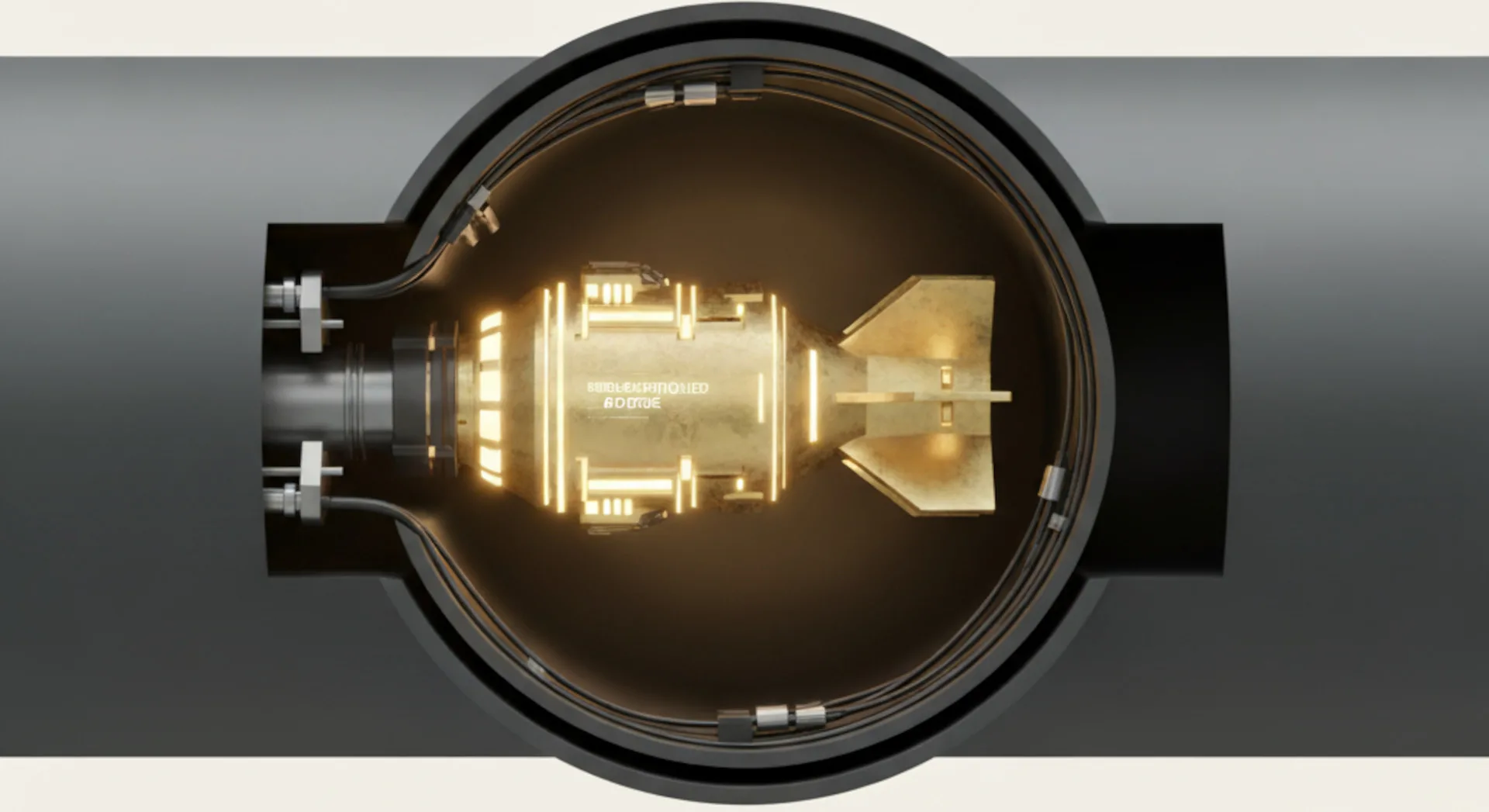
A stark warning has been issued to Australian boardrooms by the nation’s top cyber intelligence chief, flagging a dangerous complacency towards the threat of major operational attacks. Abigail Bradshaw, Director-General of the Australian Signals Directorate (ASD), stated that companies are overly focused on managing the public relations fallout of data breaches while ignoring the more catastrophic risk of “cyber disruption”. For the Australian property sector, a landscape increasingly dependent on digital platforms for management, building automation, and transactions, this is a direct and urgent call to re-evaluate board-level risk priorities.
The key takeaway for property professionals is that the current approach to cybersecurity is strategically flawed. The focus on data breach recovery fails to address the more significant threat of a systemic shutdown of core operations. The ASD’s intervention elevates cybersecurity from an IT budget line item to a fundamental issue of business continuity. The urgent strategic imperative is for property firms to shift investment and focus from reactive PR to proactive prevention, safeguarding the operational integrity of their businesses.
Background & Strategic Context
The ASD’s warning is a significant intervention, elevating the cybersecurity debate from the server room to the boardroom. This event highlights a critical tension between technology adoption and risk management, illustrating several of our core intelligence frameworks.
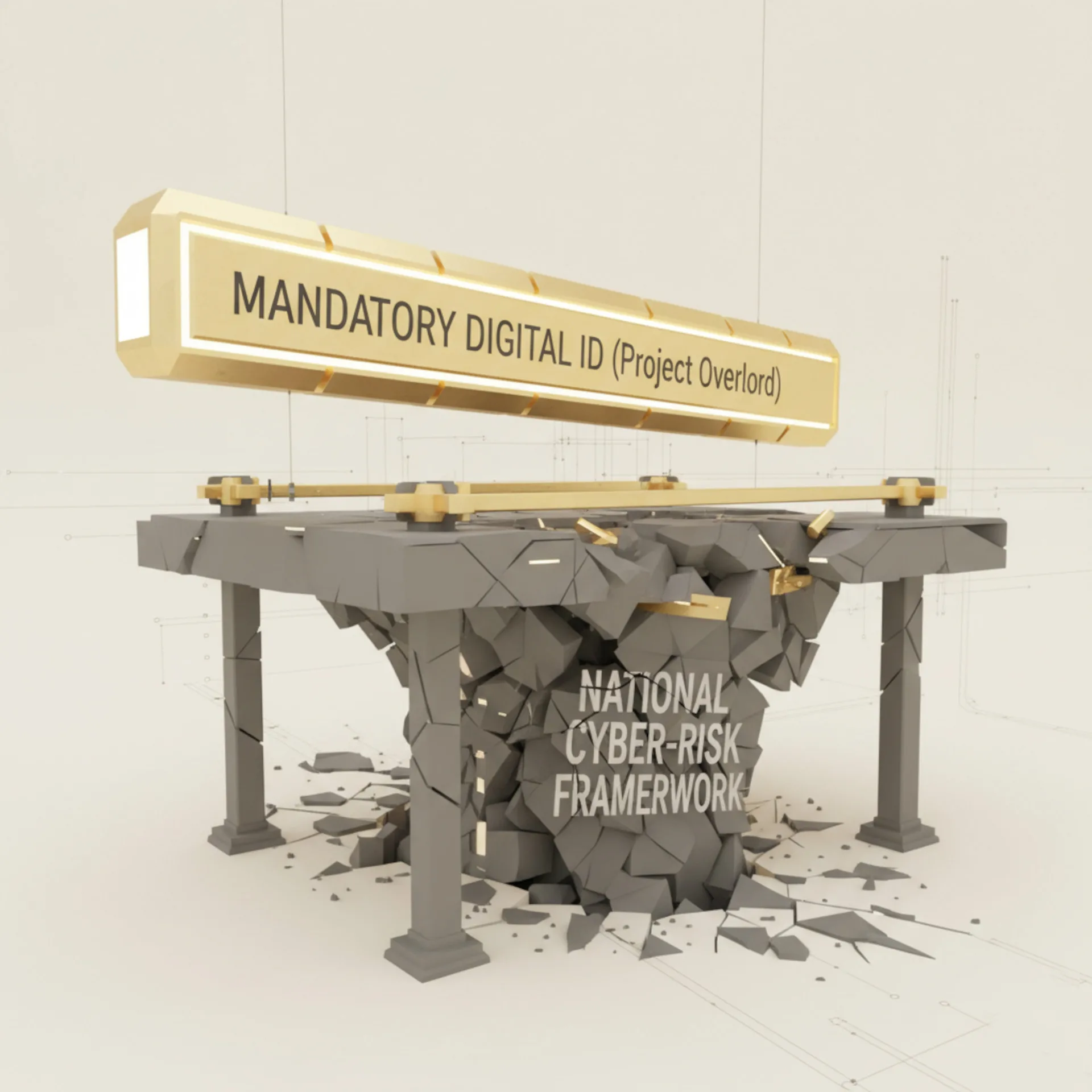
- Systemic Digital Risk (Project Overlord): The property sector’s rapid digitisation has created a new, systemic risk layer. This is a classic Project Overlord scenario where the enthusiastic adoption of new technology (PropTech) has outpaced the development of corresponding risk management frameworks. This has created a hidden, sector-wide vulnerability that has now attracted the attention of a national security agency.
- Protecting the Funnel (The Wealth Funnel): The integrity of the entire property Wealth Funnel, from listing and managing to transacting and settling, now depends on a chain of digital platforms. A successful disruption attack doesn’t just steal data; it can freeze the funnel itself, halting transactions, commission payments, and rental income. Cybersecurity is, therefore, a fundamental prerequisite for the funnel’s continued operation.
Deconstruction of the Source Event
The strategic weight of this event comes from its source, its specific accusation, and its powerful framing.
- The Source & Authority: The warning comes not from a commercial vendor but from Abigail Bradshaw, the Director-General of Australia’s top cyber spy agency, the ASD. This gives the message maximum credibility and frames it as an issue of national economic security.
- The Core Accusation: Bradshaw’s central thesis is that boardrooms are making a strategic error by focusing on the consequences of data theft rather than preventing operational disruption. She argues that lessons from last year’s CrowdStrike outage, which simulated a widespread operational shutdown, are being ignored.
- The Specific Property Vulnerabilities: The threat of disruption is particularly acute for the property sector’s core systems:
- Property Management Systems (PMS): An attack could paralyse an agency’s ability to manage leases, collect rent, and communicate with tenants.
- Building Automation Systems (BMS): A malicious actor could disable climate control, security, or lift systems in a commercial tower, rendering it unusable and creating significant liabilities.
- Transaction Platforms: An attack on e-conveyancing or other transaction management platforms could halt settlements across the market.
Critical Analysis & Balanced View
Understanding why this strategic miscalculation is occurring is key. The risk of data breaches is tangible and well-publicised; the costs of regulatory fines and reputational damage are relatively easy for a board to comprehend. Consequently, investment flows towards manageable, known risks like PR management and data recovery. In contrast, a true “cyber disruption” attack is a lower-probability, high-impact “black swan” event that is much harder to quantify and plan for. There’s a cognitive and commercial bias towards managing the likely and visible threat over the abstract and catastrophic one.
However, the scale of this potential catastrophic threat is immense. This isn’t just about a single agency being hit with ransomware. A coordinated attack on a major, widely used PMS provider could simultaneously cripple the operations of thousands of real estate agencies. A hostile actor targeting the BMS of a landmark commercial building could cause not just financial but also physical damage. This is the “nightmare scenario” Bradshaw is alluding to, where the digital and physical worlds collide with devastating consequences.
Strategic Implications for Property Professionals
This warning from the ASD must be treated as a direct call to action to re-evaluate cybersecurity as a primary business risk.
- For Principals & C-Suite: Cybersecurity must become a standing agenda item at the board level. The central strategic question must shift from “How do we respond to a data breach?” to “How do we maintain core operations if our critical systems are taken offline for 48 hours?” This requires a fundamental rethink of risk, investment, and business continuity planning.
- For Asset & Property Managers: An urgent audit of the cybersecurity posture of all third-party software vendors (PMS, BMS providers) is now required. Service Level Agreements (SLAs) must be reviewed for clauses on security protocols, liability in the event of an attack, and business continuity guarantees.
- For Developers: Cybersecurity for Building Management Systems must become a “day one” design consideration, not a post-handover IT issue. “Smart buildings” are inherently “vulnerable buildings,” and their digital resilience is now a core component of their asset value.
- For the PropTech Sector: This is a major commercial opportunity. Companies that can offer demonstrably secure, resilient, and independently audited platforms will have a significant competitive advantage. Security is no longer a feature; it’s the foundation of the product.
This article is based on a report from www.afr.com titled “Australian companies are not investing enough in prevention, cyber spy warns”. You can find the original article here: https://www.afr.com/technology/why-companies-are-ignoring-the-nightmare-cyber-scenario-20250915-p5mv8q
Given the warning that companies are prioritising AI adoption and data breach PR over preventing crippling cyber disruption attacks, how can property professionals better quantify and communicate the potential financial and operational impact of such attacks to incentivise greater investment in preventative cybersecurity measures?
Disclaimer
The analysis and information contained in this deconstruction are for general informational and strategic purposes only and do not constitute financial, investment, legal, or any other form of professional advice. The Australian Property Network (APN) is a strategic intelligence organisation and is not a licensed financial advisor.
This analysis is based on data and information from third-party sources believed to be reliable; however, APN provides no warranty as to its accuracy, currency, or completeness. Images used in this analysis are for illustrative and conceptual purposes only and may not represent real persons, properties, or events. Property values and market conditions can go down as well as up.
Before making any property or investment decisions, you must conduct your own thorough research and seek independent professional advice tailored to your specific circumstances.