

Project Alpha Aperture: Deconstructing the Spectrum of Digital Deception in Property Marketing
APN ANALYSIS: R-251003-AUS60
Executive Summary
Our inaugural research under Project Alpha Aperture confirms that the use of digitally altered imagery in Australian property marketing has become a systemic issue, creating a significant disconnect between industry practice and consumer trust. Driven by the accessibility of low-cost, rapid-turnaround editing services, techniques range from permissible enhancements to material misrepresentations that cross legal and ethical lines. The widespread practice of concealing defects and distorting a property’s true features is actively eroding market confidence.
The strategic implication is that the real estate industry is at a critical juncture. With state regulators now launching proactive enforcement, particularly in the rental sector, a failure to self-regulate will inevitably lead to harsher, more restrictive legislation. The findings from this report are clear: agencies must immediately establish firm ethical guidelines for image alteration, as the reputational and financial risks of deceptive marketing are escalating rapidly.
Background & Strategic Context
This research into digital marketing practices reveals a fundamental tension between technological capability and market integrity, a dynamic that is best understood through our core intelligence frameworks.
- The Double-Edged Sword (Tech Disruption): The proliferation of low-cost digital editing and AI tools is a powerful Tech Disruption. While offering unprecedented efficiency in marketing, it has also democratised the ability to deceive. This technology is fundamentally challenging the traditional standards of advertising, creating a “trust deficit” where buyers and renters can no longer be certain that what they see online reflects reality.
- The Porous Shield (Project Shield): This report exposes a significant “enforcement gap,” revealing that the existing regulatory framework (Project Shield) has been porous and largely ineffective at policing systemic image manipulation. While strong laws exist on paper, a historical lack of proactive enforcement has allowed deceptive practices to become entrenched, forcing regulators to now play catch-up with new task forces and reporting tools to restore consumer protection.
Deconstruction of the Project Alpha Aperture Report
This report provides a comprehensive analysis of the use of altered imagery in Australian real estate, detailing the techniques, consumer sentiment, and the regulatory landscape. The key findings are:
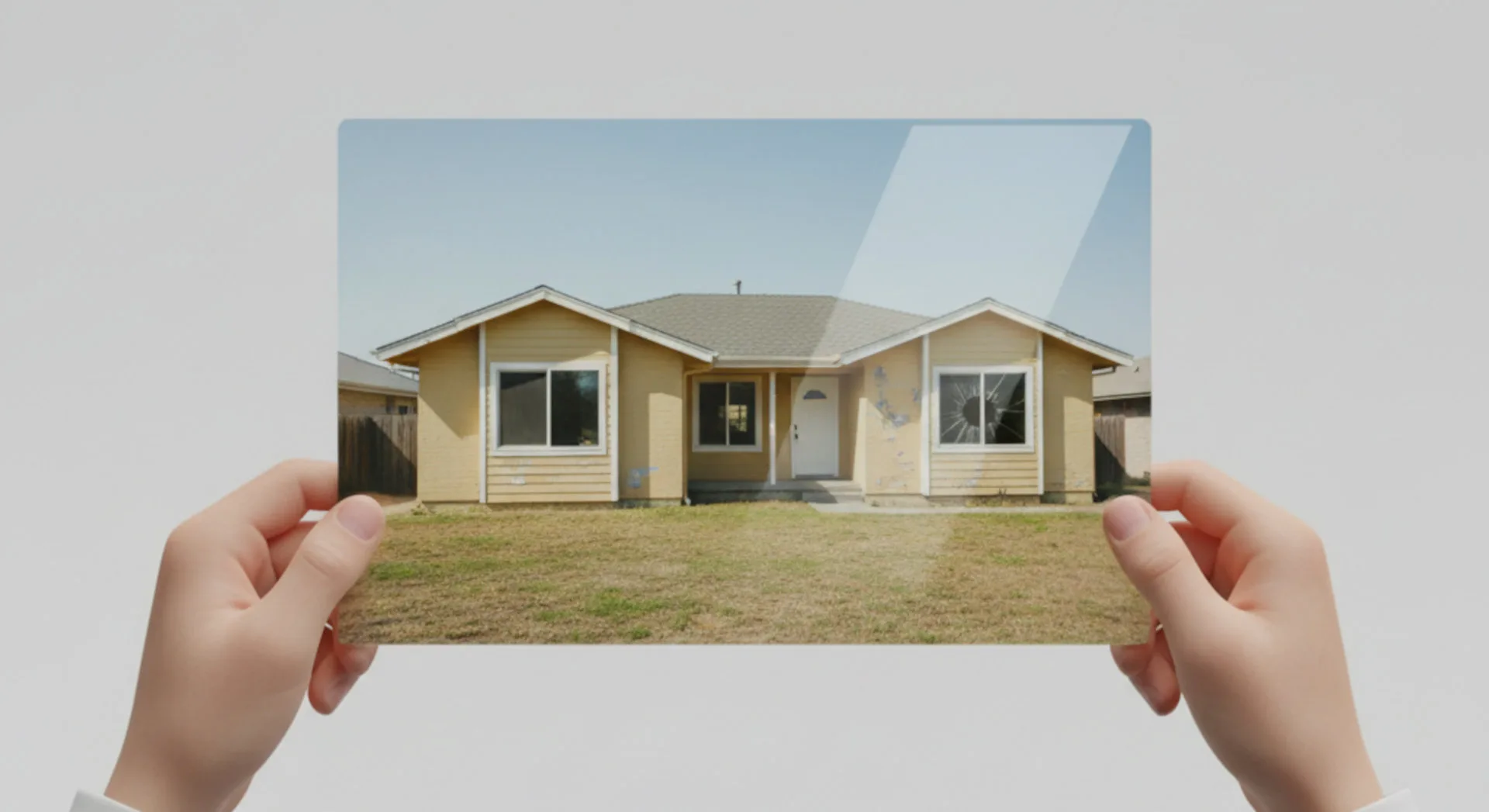
- Spectrum of Alteration: A wide range of techniques are in use, from permissible enhancements (colour correction) to deceptive practices like concealing defects (hiding mould, broken glass) and removing permanent structures (power lines, water towers).
- Economic Drivers: The widespread adoption is driven by the accessibility of low-cost, fast-turnaround overseas editing services, making sophisticated manipulation a commodified and systemic practice.
- Pervasive Consumer Mistrust: Public forums reveal deep-seated anger and frustration from buyers and renters who report wasting significant time and money inspecting properties that are drastically different from their online photos.
- Regulatory Awakening: While a historical enforcement gap exists, state regulators (particularly in NSW and Victoria) are now launching proactive initiatives, such as dedicated rental taskforces and public reporting tools, to specifically target misleading imagery.
- Emerging AI Risks: The shift to AI is set to accelerate the scale of manipulation and introduce new risks, including AI “hallucinations” that could lead to unintended digital renovations and algorithmic herd behaviour that could artificially inflate market prices.
Critical Analysis & Balanced View
The most critical insight from this research is that the issue of digital deception is a market failure, not just a moral one. It is driven by a combination of intense competition, powerful economic incentives (low-cost editing), and a historical lack of regulatory deterrence. The result is a systemic degradation of the primary tool, the online property portal, that the entire market relies on for efficiency. When trust in online listings is eroded, it imposes a real cost on everyone by increasing the need for costly physical due diligence.
The nuanced distinction between “showcasing potential” (e.g., virtual staging) and “concealing reality” (e.g., hiding defects) is the central battleground. While the industry may justify many techniques as marketing, consumers have a clear “line in the sand” that is crossed when an alteration’s purpose is to hide a negative attribute. The industry’s failure to respect this line is the primary cause of the current trust deficit.
Balanced View: Digitally enhanced imagery is a permanent and, when used ethically, a valuable part of modern property marketing. However, this research confirms that the industry has allowed standards to slip to a point that is now attracting direct regulatory intervention. The window for effective self-regulation is closing. A proactive approach to establishing clear, consumer-centric standards is the only way to prevent more draconian government regulations and begin the long process of rebuilding market trust.
Strategic Implications for Property Professionals
- For Agency Principals: You must implement a clear, written policy on the use of digital imagery and AI that aligns with the strictest state guidelines. This policy is a critical piece of your risk management framework to protect your brand from significant financial and reputational damage.
- For Sales Agents & PMs: Authenticity is now a powerful competitive advantage. Use your marketing to highlight your commitment to transparent imagery. Clearly label virtually staged photos and consider providing “before” and “after” shots for digitally decluttered rooms to build trust with prospective clients.
- For Industry Bodies: The findings of this report should be used to develop a national, best-practice Code of Conduct for digital marketing. Leading this conversation is the most effective way to demonstrate to regulators that the industry can manage itself responsibly.
- For Valuers & Buyers’ Agents: Your role as an independent verifier is more critical than ever. The insights from this report underscore the unreliability of marketing imagery for due diligence. Your clients will place an even higher premium on your ability to provide an accurate, on-the-ground assessment of a property’s true condition.
Disclaimer
The analysis and information contained in this deconstruction are for general informational and strategic purposes only and do not constitute financial, investment, legal, or any other form of professional advice. The Australian Property Network (APN) is a strategic intelligence organisation and is not a licensed financial advisor.
This analysis is based on data and information from third-party sources believed to be reliable; however, APN provides no warranty as to its accuracy, currency, or completeness. Images used in this analysis are for illustrative and conceptual purposes only and may not represent real persons, properties, or events. Property values and market conditions can go down as well as up.
Before making any property or investment decisions, you must conduct your own thorough research and seek independent professional advice tailored to your specific circumstances.
